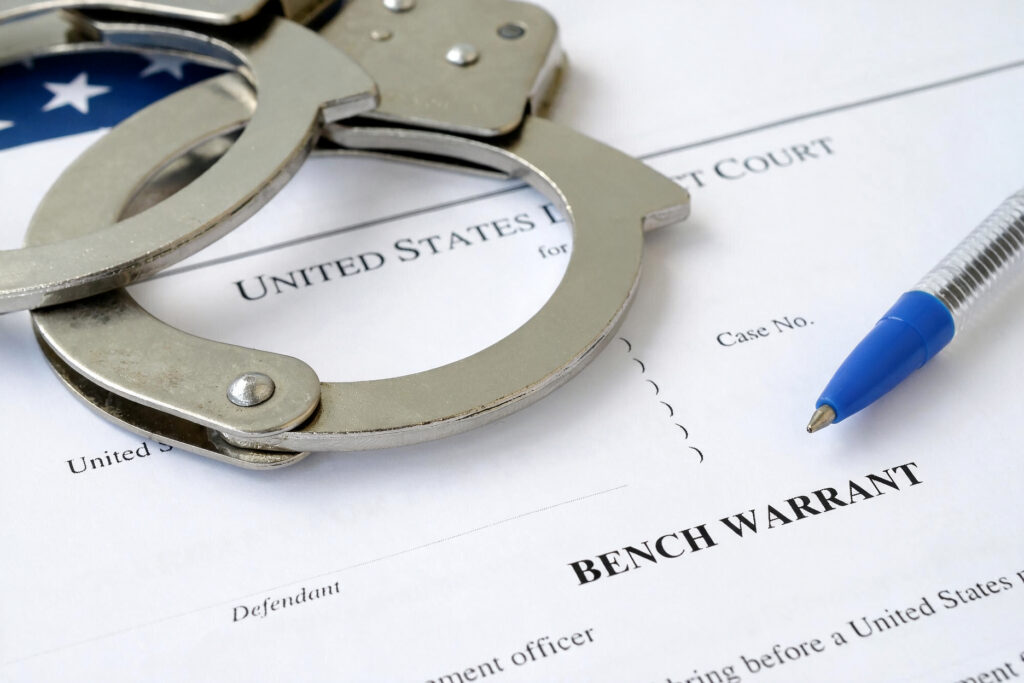

Picture pulling over on a sunny California highway while red and blue lights appear behind your vehicle. Your heart beats faster while an officer slowly approaches your driver’s side window.
During that tense moment, a vital question often surfaces: Do cops have to identify themselves when asked? Knowing local regulations helps you remain calm and protected during these stressful events.
California statutes provide specific guidelines regarding patrol units or undercover agents. This guide explores legal protections and what the Golden State requires from law enforcement agencies.
We will break down differences regarding uniformed officers and those wearing plain clothes. Mastering these details ensures you can navigate any encounter with confidence and absolute clarity.
Many citizens feel uncertain about badge requirements or name tags during roadside stops. This article clarifies those confusing rules so you never feel lost.
Understanding your rights empowers you when facing authority figures. Knowledge acts as your best defense while interacting with police across the West Coast.
- Uniformed officers must provide badge numbers upon a valid request.
- Plainclothes units carry specific credentials for legal verification.
- Awareness keeps every roadside interaction professional and safe.
When a Police Officer Stops You: Understanding Your Rights
When you’re stopped by a police officer, knowing your rights can make a significant difference in how the encounter unfolds. In California, the law mandates certain protocols that police officers must follow during stops, including the requirement to identify themselves under specific circumstances.
Understanding your rights during a police stop is crucial for a safe and respectful interaction. Remaining calm and polite can help de-escalate potential conflicts. It’s also important to know what information you are required to provide and what you can request from the officer.
During a stop, police officers are generally expected to identify themselves. This typically involves providing their badge number and name. However, the specifics can vary depending on the circumstances of the stop and whether the officer is in uniform or plainclothes.
If you’re stopped by a police officer, it’s helpful to know that you have the right to ask for identification. Being aware of your rights can empower you to handle the situation more effectively. You should also be aware of your obligations, such as providing your identification if requested.
To navigate these encounters smoothly, it’s essential to understand the legal framework governing police stops in California. This includes knowing when an officer must identify themselves and how you can verify their identity.
Do Cops Have to Identify Themselves: California Law for Uniformed Officers
California law mandates that uniformed police officers follow specific guidelines when it comes to identifying themselves. This requirement is fundamental in ensuring transparency and trust between law enforcement and the public they serve.
Uniformed officers are easily recognizable due to their attire, which includes a badge and a clear display of their identification details. The law requires these officers to provide their name and badge number upon request, fostering an environment of accountability.
Legal Requirements Under California Penal Code
The California Penal Code outlines the legal requirements for uniformed police officers to identify themselves. Section 830.10 of the California Penal Code states that officers should provide their name and badge number when requested, either verbally or in writing, depending on the circumstances.
This legal framework is designed to prevent misunderstandings and ensure that interactions between the police and the public are conducted with the utmost transparency and respect for individual rights.
Badge Numbers and Name Identification
Badge numbers and name identification are critical components of a uniformed officer’s identification. These identifiers are unique to each officer and allow citizens to report incidents or commend actions accurately.
When an officer is asked to identify themselves, they are typically required to provide both their name and badge number. This information can usually be found on the officer’s badge or uniform.
Officer Business Cards and Written Documentation
In some instances, uniformed officers may provide their business cards or written documentation that includes their identification details. This practice is not only a courtesy but also a way to ensure that citizens have a record of the officer’s identity.
While not always required, offering written documentation can help in resolving any disputes or concerns that may arise during or after an interaction with law enforcement.
Identification Rules for Plainclothes and Undercover Police Officers
The identification rules for plainclothes and undercover police officers in California are nuanced and depend on the context of their operations. Unlike their uniformed counterparts, plainclothes and undercover officers often work in situations where revealing their identity could compromise their mission or safety.
Plainclothes detectives and undercover officers are typically involved in investigations that require them to blend in with the public. However, there are specific circumstances under which they must identify themselves as law enforcement officers.
When Plainclothes Detectives Must Reveal Their Identity
Plainclothes detectives are required to identify themselves when their identity is questioned or when they are making an arrest. According to California law, if a plainclothes officer is asked to identify themselves and they fail to do so, it can lead to confusion and potentially escalate the situation.
Key situations where plainclothes detectives must reveal their identity include:
- During an arrest or detention
- When their identity is questioned by the public or other law enforcement
- In situations where their actions could be misinterpreted
Undercover Operations and Legal Exceptions
Undercover operations are a critical component of law enforcement, allowing officers to gather evidence and conduct investigations without being detected. In these situations, the requirement for undercover officers to identify themselves is often waived to protect their cover and the integrity of the operation.
Legal exceptions for undercover officers include:
- When revealing their identity would compromise the operation
- During covert surveillance or sting operations
- In situations where identification could endanger the officer or others
How to Verify a Plainclothes Officer’s Credentials
If you encounter a plainclothes officer and are unsure of their identity, there are steps you can take to verify their credentials. First, ask to see their badge and identification. Legitimate law enforcement officers will carry these with them.
To verify a plainclothes officer’s credentials:
- Ask to see their badge and ID
- Check the badge for authenticity and the ID for the officer’s name and agency
- If still unsure, call the local police department to confirm the officer’s identity
Your Rights and Obligations During Police Encounters
When interacting with law enforcement, understanding your rights is crucial for a safe and respectful encounter. Police encounters can occur in various situations, and being informed can help you navigate these interactions effectively.
Common Scenarios: Traffic Stops and Street Encounters
Police encounters often happen during traffic stops, street interactions, or when officers visit your home. Each scenario has its unique dynamics, and knowing how to respond can make a significant difference.
During a Traffic Stop
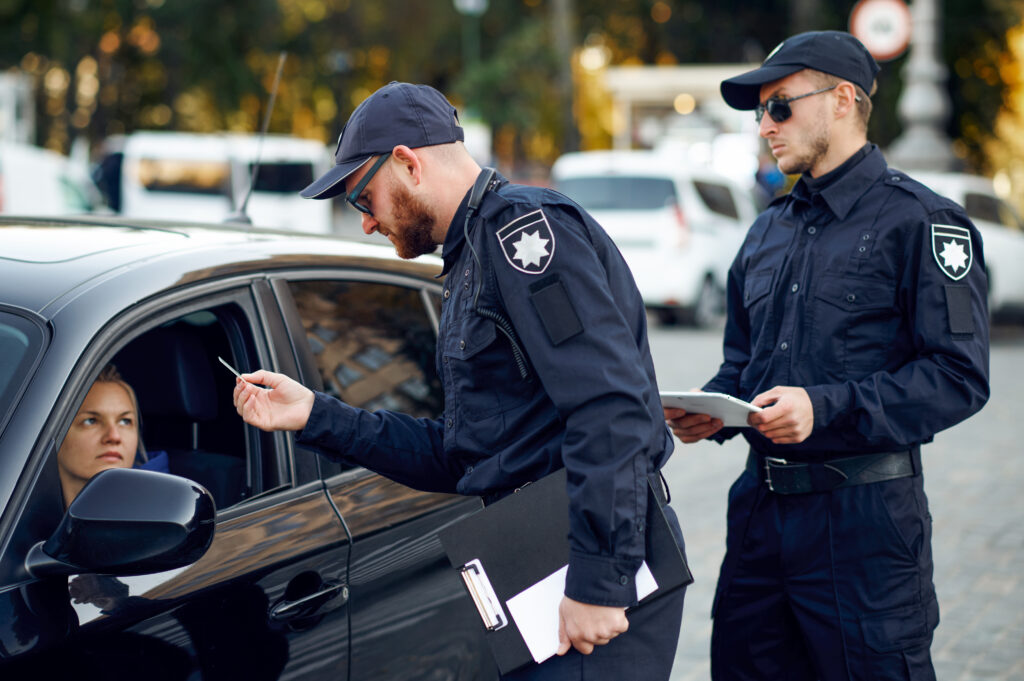
During a traffic stop, remain calm and follow the officer’s instructions. Keep your hands visible on the steering wheel and avoid sudden movements. You have the right to know why you were stopped, and the officer should provide a valid reason.
- Pull over to a safe location as soon as possible.
- Keep your license, registration, and proof of insurance readily available.
- Be polite and cooperative, but avoid admitting guilt or liability.
When Approached on the Street
If approached by an officer on the street, stay calm and be respectful. You have the right to ask why you’re being stopped and to know if you’re being detained or are free to leave.
- Keep your hands visible and avoid sudden movements.
- Politely ask the officer for their name and badge number.
- Be aware of your surroundings and know your rights.
Police at Your Doorstep
If police officers come to your doorstep, you have the right to know the purpose of their visit. You can ask them to identify themselves and state their reason for being there.
- Ask to see their identification through a window or peephole before opening the door.
- Be cautious about allowing them to enter your home without a warrant.
- Know that you have the right to remain silent and to ask for a warrant.
Do You Have to Show ID to Police Officers
The requirement to show identification to police officers varies depending on the situation and the laws of your state. In California, the rules can differ based on whether you’re being detained or are simply being questioned.
Situations Where You Must Provide Identification
In California, you are generally required to provide identification to law enforcement officers if you’re driving a vehicle or if you’re lawfully detained.
- When driving, you must provide your driver’s license upon request.
- If lawfully detained, you may be required to provide identification.
When You Can Legally Refuse to Show ID
There are situations where you may not be required to show identification, such as during a casual encounter where you’re free to leave.
- If you’re not being detained, you can usually decline to show ID.
- Understand that refusing to show ID during a lawful detention can lead to further detention or arrest.
What to Do If an Officer Refuses to Identify Themselves
If an officer refuses to identify themselves, it can be challenging to know how to proceed. However, there are steps you can take to protect your rights.
Steps to Take During the Encounter
Stay calm and politely ask the officer for their name and badge number. If they refuse, note as many details as possible about the officer and the encounter.
- Try to remain calm and composed.
- Politely ask for their identification.
- Take note of the officer’s appearance and any vehicle details.
How to File a Complaint After the Incident
If an officer fails to identify themselves and you feel your rights were violated, you can file a complaint with the relevant law enforcement agency or seek legal assistance.
- Gather as much information as possible about the incident.
- Contact the law enforcement agency’s internal affairs department.
- Consider seeking legal counsel to understand your options.
Conclusion: Know Your Rights and Stay Informed
Understanding whether cops have to identify themselves in California is vital for fostering positive interactions between law enforcement and the public. By knowing the rules that govern police identification, citizens can better navigate encounters with police officers.
In California, uniformed officers are generally required to identify themselves upon request, providing their name and badge number. This transparency helps build trust and ensures accountability. During police encounters, staying calm and being aware of your surroundings is crucial.
Knowing your rights and the obligations of police officers can significantly impact the outcome of these interactions. If you’re stopped by a plainclothes officer, verifying their identity is essential to ensure your safety and their legitimacy.
By staying informed about the laws governing police identification and your rights during police encounters, you can help ensure safer, more respectful interactions. This knowledge empowers you to assert your rights effectively and cooperate with law enforcement when necessary.