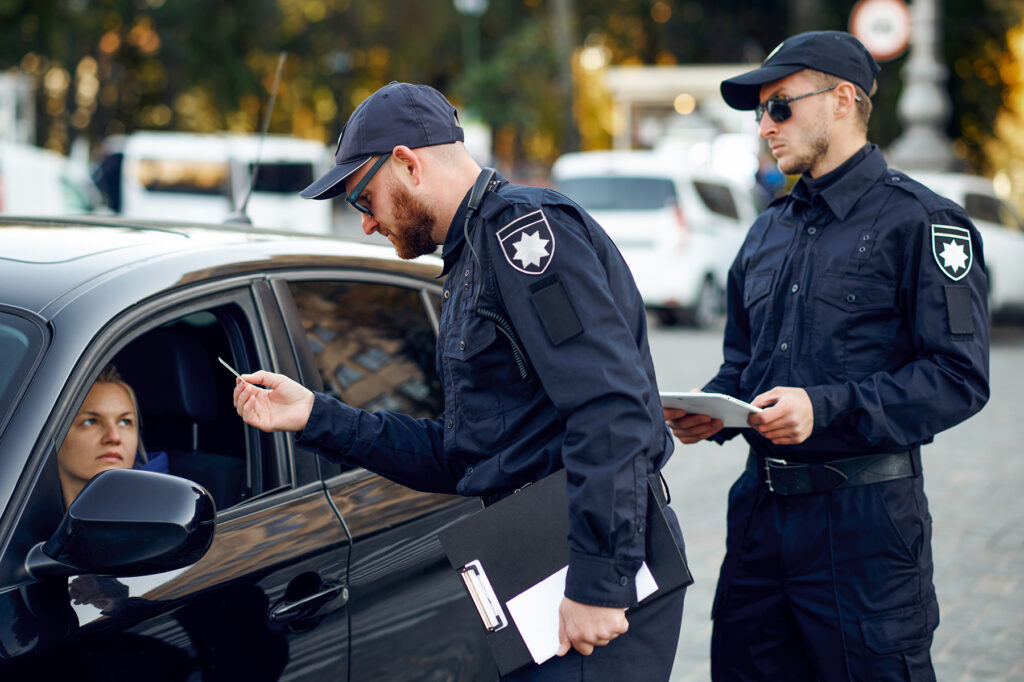

Getting pulled over by the police can be a very stressful event for any driver in the United States. You might wonder what your rights are when an officer brings a K-9 unit to the scene. It is important to understand the rules for a vehicle search to protect yourself during a stop.
Many people feel unsure about the legal limits placed on police in these specific situations. A drug sniffing dog can change the nature of a simple stop very quickly. This guide will help you learn the laws that rule these interactions and clarify your legal rights.
We want to help you feel informed if you ever meet a canine officer on the road. Knowing the law helps keep a balance between public safety and your own privacy. Let’s look at when an officer can legally use a K-9 unit and what starts a search.
Understanding the Role of a Drug Sniffing Dog
Drug detection dogs play a crucial role in the efforts of law enforcement to combat drug trafficking. These specially trained canines are invaluable assets to police departments, helping to detect and deter drug-related crimes.
What is a K-9 Unit?
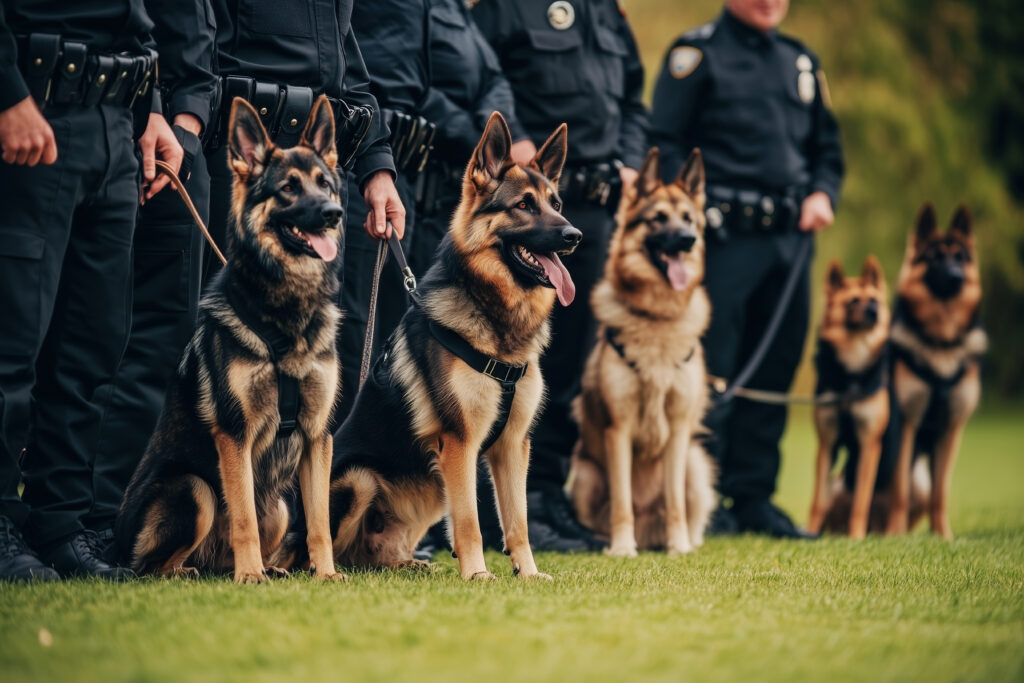
A K-9 unit refers to a law enforcement team that includes a police officer and a trained dog, often used for tasks such as narcotics detection, patrol, and search and rescue. The term “K-9” is derived from the homophone of “canine.”
The K-9 unit’s primary function is to utilize the dog’s senses, particularly smell, to detect substances that are difficult for humans to identify. This partnership between the dog and the handler is built on extensive training and trust.
The Training and Capabilities of Detection Dogs
Detection dogs undergo rigorous training to develop their detection capabilities. They are taught to identify a variety of substances, including narcotics, explosives, and sometimes even specific chemicals or diseases.
The training process involves teaching the dog to recognize the scent of the target substance and to alert their handler upon detection. This is typically done through positive reinforcement techniques, where the dog is rewarded for correct identifications.
The detection capabilities of these dogs are remarkable, with some able to detect minute amounts of substances. Their accuracy and reliability make them an essential tool for law enforcement agencies.
Why Law Enforcement Deploys K-9 Units During Traffic Stops
Traffic stops often involve the deployment of K-9 units to enhance public safety and deter crime. This practice is rooted in the strategic importance of drug sniffing dogs in identifying and intercepting contraband.
The Purpose of Sniffing for Contraband
The primary purpose of deploying a drug sniffing dog during a traffic stop is to detect the presence of illicit substances or other contraband within a vehicle. These dogs are trained to identify a variety of narcotics and substances, making them invaluable assets in law enforcement’s efforts to combat drug trafficking and related crimes.
Detection Capabilities: Drug sniffing dogs are trained to detect a wide range of substances, from marijuana and cocaine to heroin and methamphetamine. Their keen sense of smell allows them to identify these substances even when they are hidden in complex or enclosed spaces within a vehicle.
Deterrence and Public Safety Objectives
Beyond the immediate goal of detecting contraband, the deployment of K-9 units during traffic stops serves broader deterrence and public safety objectives. The presence of a drug sniffing dog can deter individuals from attempting to transport illicit substances, thereby contributing to a reduction in drug-related crimes.
The use of K-9 units also enhances public safety by removing dangerous substances from circulation. This not only reduces the risk of drug-related accidents or overdoses but also helps to disrupt drug trafficking networks.
| Aspect | Description | Impact |
|---|---|---|
| Detection Rate | High success rate in detecting contraband | Effective in identifying hidden substances |
| Deterrence | Visible presence of K-9 units | Deters potential drug traffickers |
| Public Safety | Removal of contraband from circulation | Reduces risk of drug-related crimes and accidents |
The deployment of K-9 units during traffic stops is a multifaceted strategy that not only aids in the detection of contraband but also plays a significant role in deterring drug-related crimes and enhancing public safety.
The Legal Framework for Vehicle Sniffs in the United States
The legality of using drug detection dogs to sniff vehicles is rooted in a nuanced legal framework that balances individual rights and public safety. This framework is primarily shaped by the Fourth Amendment to the U.S. Constitution, relevant Supreme Court rulings, and the concept of reasonable suspicion.
The Fourth Amendment and Reasonable Expectation of Privacy
The Fourth Amendment protects individuals from unreasonable searches and seizures, guaranteeing the right to be secure in their persons, houses, papers, and effects. A critical aspect of this amendment is the concept of a “reasonable expectation of privacy.” The courts have grappled with defining what constitutes a reasonable expectation of privacy, especially in the context of vehicle stops and drug dog sniffs.
In general, individuals have a lower expectation of privacy in their vehicles compared to their homes. However, the use of drug sniffing dogs during traffic stops raises questions about whether a sniff constitutes a search under the Fourth Amendment. If it is considered a search, law enforcement must have probable cause or reasonable suspicion to conduct it.
The Supreme Court Ruling on Dog Sniffs
The Supreme Court has addressed the issue of dog sniffs in several landmark cases. A key ruling established that a dog sniff is not considered a search under the Fourth Amendment because it does not intrude on a legitimate privacy interest. This is based on the premise that a dog sniff only detects contraband, for which there is no reasonable expectation of privacy.
Distinguishing Between a Search and a Sniff
The distinction between a search and a sniff is crucial. A search typically involves a physical intrusion or the examination of something that is not in plain view, whereas a sniff by a drug detection dog is considered a less intrusive measure that merely detects the presence of contraband. The courts have generally held that a sniff by a trained and certified drug dog is reliable enough to justify further investigation.
The Requirement of Reasonable Suspicion
While a dog sniff itself may not be considered a search, the context in which it is conducted can affect its legality. Law enforcement must have reasonable suspicion to detain a vehicle long enough to conduct a dog sniff. Reasonable suspicion is a lower standard than probable cause but requires more than a mere hunch. It involves articulable facts that, taken together with rational inferences, reasonably warrant the intrusion.
The legal framework governing vehicle sniffs is designed to balance the need for public safety with the protection of individual rights. Understanding this framework is essential for both law enforcement agencies and the public to navigate the complexities of drug dog sniffs during traffic stops.
Can You Decline a Drug Dog Sniff?
The use of drug-sniffing dogs by police during traffic stops raises an important question: can you decline such a search? Understanding your rights in these situations is crucial for making informed decisions.
Understanding Your Rights During a Routine Stop
During a routine traffic stop, law enforcement officers have certain protocols they follow, which may include the deployment of a drug-sniffing dog. Knowing your rights can help you navigate these encounters more effectively. You have the right to ask why you were stopped and what the officer is looking for.
It’s essential to remain calm and respectful during the interaction. If an officer indicates they will be using a drug-sniffing dog, you may wonder if you can decline a drug dog sniff. The answer depends on the circumstances and the laws in your jurisdiction.
The Difference Between Consensual and Non-Consensual Searches
Searches conducted by law enforcement can be either consensual or non-consensual. A consensual search occurs when you give the officer permission to search your vehicle. On the other hand, a non-consensual search happens when the officer has probable cause or a warrant.
A drug dog sniff is considered a non-intrusive search under the Fourth Amendment. If the dog alerts to the presence of contraband, this can establish probable cause for a more thorough search.
What Happens When You Refuse Consent
If you refuse consent for a search, the officer must have probable cause to proceed. Refusing consent may lead to further detention while the officer seeks a warrant or uses a drug-sniffing dog. If the dog alerts to contraband, the officer can then conduct a more thorough search.
Understanding the implications of refusing consent is vital. While you have the right to refuse, doing so may escalate the situation. It’s crucial to be aware of the potential outcomes and to remain cooperative while still asserting your rights.
The Legal Implications of a Positive Alert
Understanding the legal implications of a positive alert is crucial for individuals who find themselves in situations involving drug sniffing dogs. A positive alert can significantly alter the course of a traffic stop, potentially leading to a more thorough search of the vehicle.
Establishing Probable Cause for a Full Search
When a drug dog gives a positive alert, it typically establishes probable cause for law enforcement to conduct a more extensive search of the vehicle. Probable cause is a legal standard that requires sufficient reason to believe a crime has been committed or that evidence of a crime is present. The alert provides the necessary justification for police to search beyond the initial reason for the traffic stop.
The concept of probable cause is grounded in the Fourth Amendment, which protects individuals from unreasonable searches and seizures. A positive alert from a trained and certified drug dog is generally considered sufficient to establish probable cause, as it is deemed reliable evidence.
What Police Can Search After a Positive Alert
Following a positive alert, police are authorized to conduct a comprehensive search of the vehicle. This can include:
- All compartments and containers within the vehicle.
- Personal belongings of the occupants.
- Trunk and any other storage areas.
The scope of the search is not limited to the immediate area where the alert occurred; it can extend to all areas of the vehicle where contraband might be hidden.
Challenging the Validity of the Alert in Court
While a positive alert can provide probable cause, it is not infallible. The validity of the alert can be challenged in court on several grounds, such as:
- The training and certification status of the drug dog.
- The handler’s experience and conduct during the sniff.
- Any potential contamination or external factors that could have influenced the dog’s alert.
Challenging the alert’s validity requires a thorough understanding of the circumstances surrounding the alert and the legal precedents related to drug dog sniffs.
Practical Steps to Take During a K-9 Encounter
The presence of a K-9 unit during a traffic stop can be unsettling, but there are practical steps you can take to ensure your safety and rights are respected. Staying calm and understanding your rights can significantly impact the outcome of the encounter.
Maintaining Composure and Safety
When a K-9 unit is deployed during a traffic stop, maintaining composure is key. Avoid making sudden movements that could be misinterpreted by the dog or the handler. Keep your hands visible and avoid reaching for anything without informing the officer first.
It’s also crucial to follow the instructions given by the law enforcement officers. If you’re unsure about what to do, it’s perfectly fine to ask for clarification. Ensuring your safety and the safety of those around you is paramount.
Documenting the Interaction
If you’re allowed to use your phone or other recording devices, documenting the interaction can provide valuable evidence. This can include video or audio recordings, photographs, or even written notes about the encounter.
When documenting, be mindful of the officers’ instructions and avoid interfering with their duties. If you’re recording, inform the officers as required by your state’s laws regarding recording law enforcement activities.
When to Seek Legal Counsel
If during or after the K-9 encounter you feel that your rights have been violated, or if you’re facing charges as a result of the stop, seeking legal counsel is advisable. A legal professional can provide guidance based on the specifics of your situation and help protect your rights.
Understanding when to seek legal help can be crucial. If you’re unsure about the legality of the search or the actions taken by law enforcement, consulting with an attorney can provide clarity and direction.
Conclusion
Understanding your rights and the legal implications surrounding drug sniffing dogs is crucial during traffic stops. The deployment of K-9 units serves a significant purpose in law enforcement, from deterring criminal activity to detecting contraband.
When encountering a drug sniffing dog, knowing how to react can make a significant difference. Remaining calm, being aware of your individual rights, and understanding the legal framework can help ensure a safe and lawful interaction.
As law enforcement continues to utilize K-9 units, it is vital for citizens to be informed about the role of drug sniffing dogs and their rights during these encounters. By being knowledgeable, individuals can better navigate these situations and protect their legal rights.