
Is arson a felony in California? The short answer: often yes — but it depends on the facts. This article explains how California law classifies arson, the different degrees of the offense, typical penalties (including prison time and restitution), and common defenses a person charged with arson can raise. If you or a loved one faces arson charges, consult a qualified criminal defense attorney right away.
Key Takeaways
- Arson is considered a serious felony in California.
- Convictions can result in significant prison time and fines.
- Understanding California arson laws is crucial for those facing charges.
- The consequences of an arson conviction can be long-lasting.
- Legal representation is essential for navigating arson cases.
Is Arson a Felony in California?
Understanding the nuances of California arson laws is crucial, as the classification of arson as a felony or misdemeanor has significant legal implications. Arson, by definition, involves the intentional act of setting fire to property, and California law treats this crime with severity due to its potential to cause harm to people and damage to property.
Arson as a High-Stakes Felony Offense
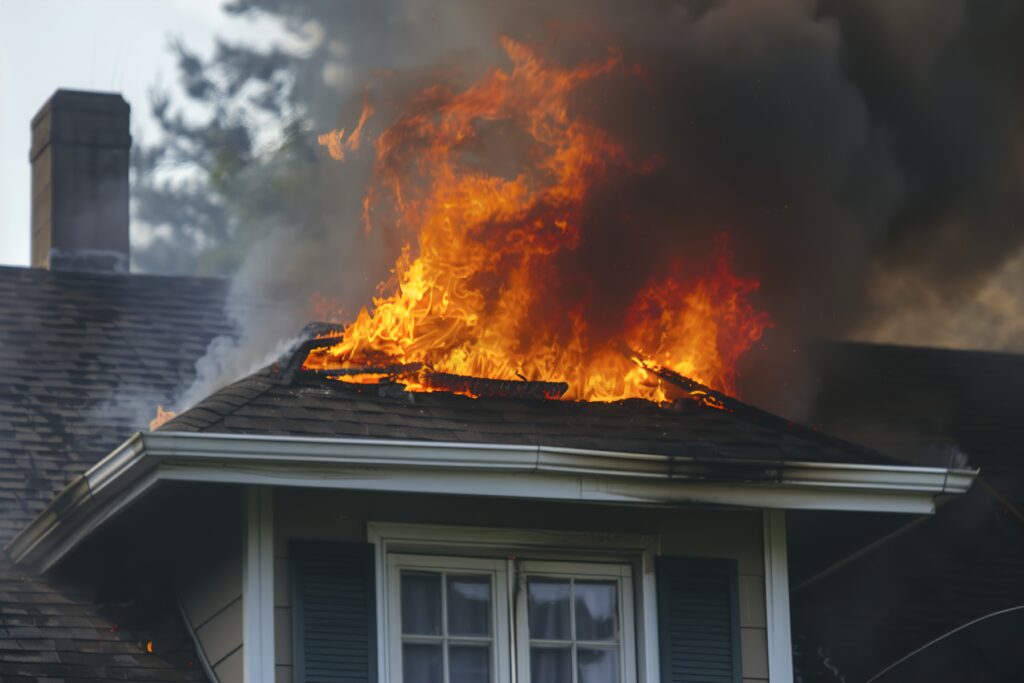
When arson is classified as a felony, it reflects the serious nature of the offense. Felony arson involves more severe circumstances, such as the arson of an inhabited dwelling or the causing of significant damage. The stakes are high because a felony conviction can lead to substantial prison time and fines.
The Difference Between Felony and Misdemeanor Arson
The primary distinction between felony and misdemeanor arson lies in the circumstances and consequences of the act. Misdemeanor arson typically involves less severe damage or risk, such as arson of uninhabited property or reckless burning without the intent to cause significant harm. On the other hand, felony arson involves more dangerous or damaging acts, such as setting fire to inhabited structures or forests, which pose a significant risk to human life and property.
- Felony arson often involves inhabited dwellings or significant damage.
- Misdemeanor arson may involve less severe circumstances, like uninhabited property.
- The intent behind the arson and the resulting damage play crucial roles in determining the charge.
Reckless Burning Under California Penal Code 452
Reckless burning, as defined under California Penal Code 452, occurs when an individual recklessly sets fire to or burns property, but without the intent to cause significant damage or harm. This can be considered a misdemeanor, but under certain circumstances, it can escalate to a felony if it causes significant harm or is done with reckless disregard for the safety of others.
It’s essential to understand that while reckless burning might seem less severe than intentional arson, it still carries significant legal consequences. The key factor is the level of recklessness and the potential or actual harm caused.
California Arson Laws: Degrees and Legal Definitions
Arson laws in California are categorized into different degrees, each with distinct legal definitions. Understanding these degrees is crucial for comprehending the severity of arson charges and the potential penalties involved.
What Constitutes First Degree Arson in California (PC 451a)
First-degree arson under California Penal Code 451(a) involves the willful and malicious burning of an inhabited structure or property. This means that the arsonist intentionally set fire to a building or property that is being used as a dwelling or place of residence.
Key elements of first-degree arson include:
- The structure or property was inhabited or being used for residential purposes.
- The defendant willfully and maliciously set fire to the structure or property.
- The act was done with the intent to cause damage or destruction.
Arson of Structures Under PC 451(a)
Arson of structures under PC 451(a) involves the intentional burning of any structure, including buildings, bridges, or other man-made constructions. The key factor is the intent to cause damage or destruction through fire.
Arson of Inhabited Dwellings Under PC 451(b)
Arson of inhabited dwellings is considered a more severe offense due to the potential risk to human life. PC 451(b) specifically addresses the burning of inhabited dwellings, which includes houses, apartments, or other residential units where people live.
The severity of this offense is reflected in the penalties, which can include lengthy prison sentences.
Arson of Forest Land and Property
Arson of forest land and property is another category under California arson laws. This involves the intentional burning of forest areas, which can lead to devastating wildfires and significant environmental damage.
Penalties for arson of forest land can be severe, reflecting the potential for widespread destruction.
Elements the Prosecution Must Prove
To secure a conviction for arson, the prosecution must prove several key elements beyond a reasonable doubt. These elements typically include the defendant’s intent, the willful and malicious nature of the act, and the causation of damage or destruction through fire.
The prosecution’s burden of proof is high, requiring evidence that demonstrates the defendant’s guilt beyond a reasonable doubt.
Sentencing, Penalties, and Aggravating Factors
In California, arson convictions can lead to severe penalties, including lengthy prison sentences and substantial fines. The legal system takes arson very seriously, and the consequences of a conviction can be life-altering.
Standard Prison Sentences for First Degree Arson
First-degree arson, being the most severe form of arson, carries significant prison time. Those convicted can face three to eight years in state prison. The exact sentence depends on various factors, including the severity of the damage and whether anyone was injured.
Fines and Restitution Requirements
In addition to prison time, individuals convicted of arson may be required to pay fines and restitution. Fines can be substantial, and restitution is typically ordered to compensate victims for their losses, including property damage and medical expenses.
Common Enhancements That Increase Penalties
Several factors can enhance the penalties for arson convictions, making the sentence even more severe. These include:
- Great Bodily Injury Enhancement: If the arson results in great bodily injury to someone, the sentence can be significantly increased.
- Multiple Victim Sentencing Enhancements: Cases involving multiple victims can lead to enhanced penalties, reflecting the greater harm caused.
- Use of Accelerants or Devices: The use of accelerants or incendiary devices can also increase the severity of the sentence, as it indicates a higher level of intent and danger.
Aggravating Factors in California Arson Cases
Aggravating factors play a crucial role in determining the severity of the sentence. These factors can include:
- Financial Gain or Insurance Fraud Motive: If the arson was committed for financial gain or to defraud an insurance company, this can be considered an aggravating factor.
- Causing Death or Serious Injury: Arson that results in death or serious injury is taken extremely seriously, leading to more severe penalties.
Understanding these factors is crucial for anyone facing arson charges, as they significantly impact the outcome of a case. Given the complexity and severity of arson laws in California, it’s clear that is arson a felony is a question with significant implications.
Defense Strategies and the Importance of Legal Representation
Arson charges in California are serious offenses that require a strategic defense approach to mitigate potential penalties. When facing such charges, it’s crucial to understand the legal landscape and the defense options available.
Effective Defense Strategies for Arson Charges
A robust defense against arson charges involves several key strategies. These include challenging the prosecution’s evidence, arguing alternative causes for the fire, and establishing a strong alibi.
Challenging Intent and Malice
One of the primary defenses against arson charges is to challenge the intent and malice aforethought required for a conviction. Prosecutors must prove beyond a reasonable doubt that the defendant intentionally set the fire.
Accidental Fire or Alternative Cause
Another effective strategy is to argue that the fire was accidental or caused by factors unrelated to the defendant’s actions. This can involve presenting evidence of alternative ignition sources or demonstrating that the fire was not intentionally set.
Mistaken Identity and Alibi Defense
In cases where the defendant’s identity as the perpetrator is in question, a mistaken identity defense can be employed. Providing a solid alibi can also significantly strengthen the defense.
Insufficient or Flawed Evidence
Challenging the prosecution’s evidence is a critical aspect of the defense. This can involve highlighting inconsistencies in witness testimony, questioning the reliability of forensic evidence, or demonstrating that the evidence was tampered with.
Why You Need an Experienced Criminal Defense Lawyer
Navigating the complexities of arson charges requires the expertise of an experienced criminal defense lawyer. Such professionals can provide invaluable insights into the case and help build a strong defense.
Expert Analysis of Fire Investigation Reports
An experienced lawyer can critically analyze fire investigation reports to identify potential weaknesses in the prosecution’s case. This can involve challenging the methods used in the investigation or the conclusions drawn from the evidence.
Negotiating Plea Deals and Charge Reductions
In some cases, negotiating a plea deal or reducing the charges can be a viable strategy. An experienced defense lawyer can negotiate with prosecutors to achieve the best possible outcome.
Building a Strong Defense Strategy
Ultimately, the key to a successful defense is building a comprehensive strategy that addresses all aspects of the case. This involves a thorough understanding of the law, a detailed analysis of the evidence, and a clear understanding of the client’s circumstances.
Conclusion
Arson is a serious offense in California, and understanding its legal implications is crucial. As discussed, is arson a felony is a question that can be answered affirmatively in most cases, given the state’s stringent laws against arson.
California’s legal framework categorizes arson into different degrees, each carrying significant penalties. The severity of the punishment depends on factors such as the type of property involved and whether the arson resulted in injury or death.
A conviction for arson can lead to substantial prison time, fines, and restitution. The long-term consequences of such a conviction can be life-altering, affecting one’s future employment, social standing, and personal life.
Given the complexity of California arson laws, securing experienced legal representation is vital for those facing arson charges. An adept lawyer can navigate the intricacies of the law, potentially mitigating the severity of the penalties.
In conclusion, understanding the legal nuances of arson in California is essential for comprehending the potential outcomes of an arson charge. If you or someone you know is facing such charges, seeking professional legal advice is a critical step in navigating the legal system.