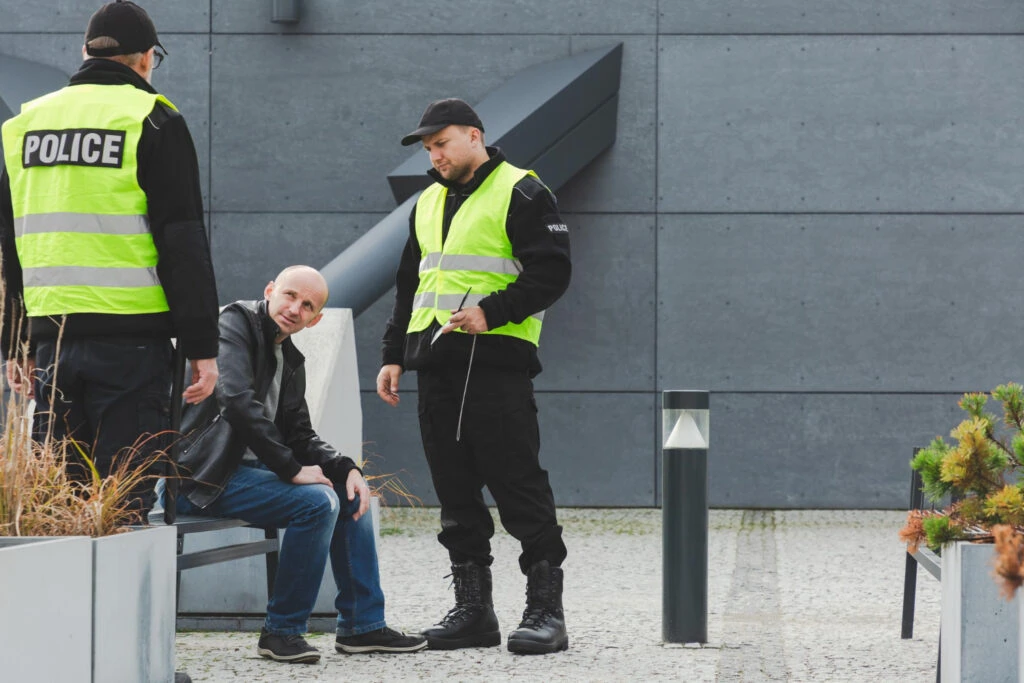

You are walking down the street and a police officer comes up to you and asks for you to show your ID. You prefer not to show your ID, but you know that there are exceptions to the Fourth Amendment, which does not allow for unreasonable searches and seizures, and you’d prefer not to get into trouble.
Understanding your rights allows you to make educated decisions. This article will break down the laws surrounding showing your ID to a police officer in California.
What are my rights under the Fourth Amendment?
The Fourth Amendment to the US Constitution preserves the citizen’s right to privacy from the government. There are legal safeguards in place to protect both the citizens and those in law enforcement.
In the case of showing an ID to a police officer, there are certain instances where the citizen can maintain their right to privacy as well as instances where the citizen’s privacy inhibits law enforcement from doing their job. Even when law enforcement needs to search or seize a person’s property or person, there are guidelines and boundaries that are in place to protect the citizen.
What is the “Stop and Identify” Statute?
Let’s say that you’re walking down the street, and a police officer stops you and asks you to identify yourself. What are your rights in this situation?
Some states have a “Stop and Identify” Statute which requires that a person stop and provide identification should a police officer request it. The officer is authorized by law to make such a request, and denying the request can lead to the person’s arrest.
California does not have a Stop and Identify law.
However, if an officer were to ask for you to ID yourself while you were walking on the streets of California, you can politely decline the request. If the police officer insists that you show your ID, you can politely ask why they would like to see it.
One reason an officer may ask to see your ID is because they have probable cause that someone has committed a crime. By showing your ID, the police can cross you off their list as a possible suspect. In this case, it would be wise to show your ID.
Can you be arrested for refusing to show your ID?
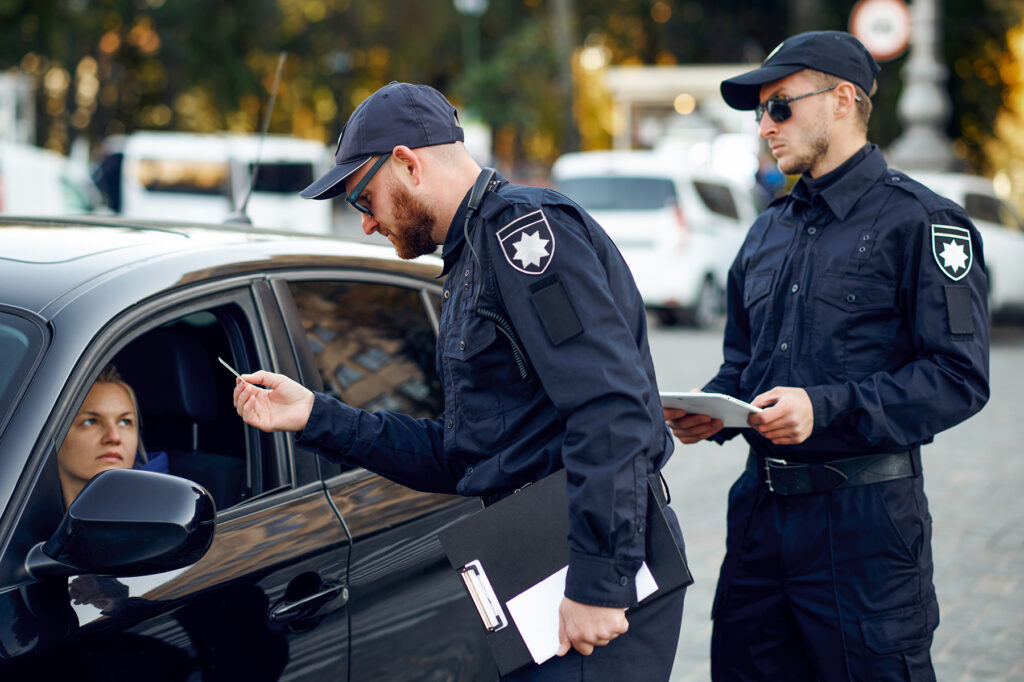
The answer depends on whether you are driving or walking on the street.
Law enforcement does not have the authority to ask you to “Stop and Identify” in California if you are walking down the street.
However, there is an exception. If you refuse to show your ID or verbally identify yourself, and the police officer has probable cause that you committed the crime they are investigating, they can arrest you for lack of showing your ID.
If you are driving and are pulled over, you cannot refuse to identify yourself to the officer. Doing so will lead to your arrest and potential criminal conviction. While you are not required to carry an ID while walking, you are required to carry an ID while driving.
The Plain Feel Doctrine and Traffic Stop Searches
The Plain Feel Doctrine is a key legal rule that guides police during traffic stops. It’s an expansion of the Plain View Doctrine. It lets officers take items if they believe they’re illegal or dangerous during a lawful pat-down.
What Is the Plain Feel Doctrine?
The Supreme Court created the Plain Feel Doctrine. It lets police take items if they find them during a legal pat-down. This rule is based on the Fourth Amendment, which protects against unreasonable searches.
How the Plain Feel Doctrine Applies During Traffic Stops
During traffic stops, officers might do a pat-down if they think someone is armed. If they feel something they think is illegal, they can take it under the Plain Feel Doctrine.
Legal Requirements for Pat-Down Searches in California
In California, pat-down searches must follow Terry v. Ohio rules. Officers need a good reason to think someone is armed and dangerous to do a pat-down.
| Legal Standard | Description |
| Reasonable Suspicion | The officer must have a reasonable belief that the individual is armed and dangerous. |
| Plain Feel Doctrine | Allows seizure of contraband if identified during a lawful pat-down. |
Your Rights and Limitations on Officer Search Authority
You have the right to know why you’re being searched. You can also say no to a search if it’s not based on good reason. Knowing these rights can help protect you from illegal searches.
I’m driving without a driver’s license because I forgot mine at home. If I get pulled over, can I show the police officer a photo of my ID?
California does not allow a driver to use a photo of one’s ID as a replacement for the actual ID.
The driver could be charged with a misdemeanor or with an infraction which would require the driver to pay a small fine.
Aside from the legal requirement to carry a driver’s license while driving, there are also other consequences. If a driver were in an accident, the driver’s license would help responding officers identify the driver and contact their family.
Does a passenger in a vehicle have to show ID in California?
A passenger in a vehicle that is pulled over does not need to show ID because they are not operating the vehicle. Only the driver has the obligation to carry a driver’s license. However, it is best for passengers to bring their license in case they need to drive.
States with Stop and Identify Statutes
Currently, 24 states have laws that require individuals to show ID to police in certain cases.
These states are Alabama, Arizona, Arkansas, Colorado, Delaware, Florida, Georgia, Illinois, Indiana, Kansas, Louisiana, Missouri, Montana, Nebraska, Nevada, New Hampshire, New Mexico, North Dakota, Ohio, Rhode Island, Utah, Vermont, Wisconsin, and Wyoming.
What to Do If Your Rights Are Violated During a Traffic Stop
If you believe your rights were violated during a traffic stop in California, knowing what to do is important. Understanding your rights and the proper steps can greatly affect the outcome.
Document the Incident
If you believe police acted improperly, stay calm and collect important information such as the officer’s badge number and patrol car ID.
If safe, recording the stop may help. Be aware of California recording laws; generally, you have the right to record in public.
Steps for Filing a Complaint Against Law Enforcement
If your rights were violated, file a complaint with the agency that employs the officer.
Most agencies have formal complaint procedures. Provide a detailed written account of what happened, either in person or by mail.
When and How to Contact an Attorney
Consult an attorney experienced in civil rights or police misconduct. They can guide you on next steps and legal options. It is best to speak with a lawyer as soon as possible to protect your rights and meet any legal deadlines.
Understanding Your Legal Remedies and Options
If your rights were violated, you may file a complaint, sue the officer or agency, or seek to exclude evidence if facing criminal charges.
Understanding these options helps you determine the best course of action.
Resources for Legal Assistance in California
If you cannot afford a lawyer, there are organizations that provide free or low-cost legal help. The ACLU of California and local legal aid societies offer guidance.
Many law schools also operate clinics that provide free legal services for civil rights cases.
Need Help?
As a U.S. citizen, you are afforded certain rights under the U.S. Constitution. If you believe your rights have been violated—especially your Fourth Amendment protections—attorney David L. Faulkner may be able to have evidence excluded, suppressed, or even have the entire case dismissed.
Contact The Law Office of David L. Faulkner to speak with an attorney.