Being caught with alcohol as a minor can be a daunting experience, often shrouded in misconception. Many believe that a Minor in Possession charge is merely a slap on the wrist, but the reality in California is more complex.
In California, the law takes underage drinking seriously, and the consequences can be severe. Understanding the legal implications of being a minor in possession of alcohol is crucial for those who find themselves or their loved ones in such a situation.
The truth is, the legal system in California does not take these charges lightly, and the repercussions can extend beyond the immediate legal penalties, affecting future opportunities.
Key Takeaways
- A Minor in Possession charge in California is considered a serious offense.
- The legal consequences can include fines, community service, and even jail time.
- Beyond legal penalties, a conviction can impact future educational and career opportunities.
- Understanding the law and seeking legal counsel is crucial for those charged.
- The long-term effects of a conviction can be significant, making it essential to take the charge seriously.
Misdemeanor vs. Infraction: The Legal Classification Explained
When it comes to minor in possession (MIP) charges, the distinction between a misdemeanor and an infraction is not just a matter of semantics; it has real implications for individuals facing such charges in California.
Understanding the legal classification of MIP charges is crucial because it affects not only the immediate penalties but also the long-term consequences on one’s record.
Common Misconceptions About MIP Charges
Many people mistakenly believe that an MIP charge is always considered a minor infraction. However, the reality is more nuanced. In California, the legal classification of MIP charges can vary depending on several factors.
- The circumstances surrounding the charge
- The individual’s prior record
- The discretion of the prosecuting attorney
These factors can influence whether an MIP charge is classified as a misdemeanor or an infraction.
The Actual Legal Classification in California
In California, a minor in possession of alcohol can be charged as either a misdemeanor or an infraction. According to California Business and Professions Code 25662, the default classification is an infraction for a first-time offense. However, the charge can be elevated to a misdemeanor under certain conditions.
- If the minor has prior convictions for MIP or other related offenses
- If there are aggravating circumstances surrounding the offense
This dual classification system allows for flexibility in handling MIP cases, taking into account the specifics of each situation.
Why the Distinction Matters for Your Future
The distinction between a misdemeanor and an infraction is significant because it impacts the severity of the penalties and the individual’s future opportunities. A misdemeanor conviction can have more severe and lasting consequences, including:
- Potential jail time
- Higher fines
- Impact on future employment and educational opportunities
On the other hand, an infraction is generally considered less severe, with penalties limited to fines. Understanding the potential classification of an MIP charge and its implications is crucial for individuals to navigate the legal system effectively.
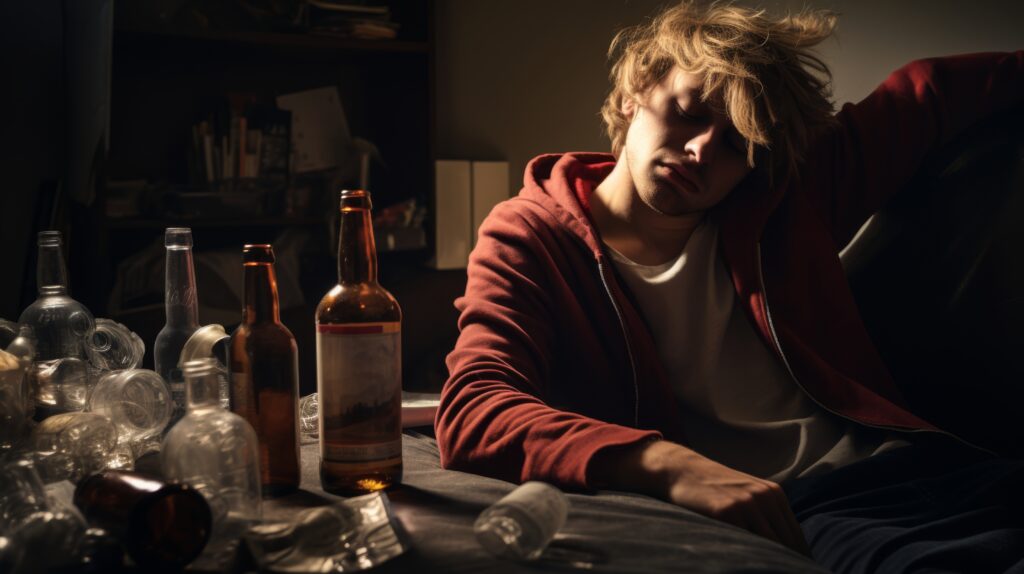
What Constitutes “Possession” Under California Business and Professions Code 25662?
The term ‘possession’ has a specific legal definition under California Business and Professions Code 25662 that is essential to comprehend. In the context of minor in possession of alcohol charges, understanding this definition can significantly impact the outcome of a case.
Legal Definition of Possession
Possession, in legal terms, refers to having control over something, in this case, alcohol. It doesn’t necessarily mean the alcohol is being consumed or held in one’s hand; it means having the ability to control it or access it.
Actual Possession vs. Constructive Possession
There are two types of possession: actual and constructive. Actual possession means the alcohol is on the person, such as in their hand, pocket, or being consumed. Constructive possession, on the other hand, means the person has access to the alcohol or has control over it, even if it’s not directly on them. For example, having alcohol in a car or at home where minors have access to it can be considered constructive possession.
- Actual possession involves direct physical control over the alcohol.
- Constructive possession involves having the right to control or access the alcohol.
- Both types of possession can lead to minor in possession charges.
Types of Alcohol Covered Under BPC 25662
California Business and Professions Code 25662 is quite broad in its definition of alcohol. It includes any beverage that contains more than 0.5% alcohol by volume. This encompasses a wide range of alcoholic beverages, including:
- Beer
- Wine
- Spirits (such as vodka, whiskey, and rum)
- Other alcoholic beverages, including flavored alcoholic drinks and malt beverages.
Understanding the breadth of what is considered alcohol under this code is crucial for minors and adults alike to avoid unintentionally violating the law.
Penalties for Minors and Adults Who Provide Alcohol
Receiving a minor in possession (MIP) charge can lead to a range of penalties that affect various aspects of one’s life. These penalties are designed to deter minors from consuming alcohol and adults from furnishing it to them.
First-Time Minor Offender Penalties
For a first-time minor offender, the penalties can include:
- Community Service: Typically, 24 to 32 hours of community service are required.
- Fine: A fine of up to $250 can be imposed.
- Alcohol Education Program: Attendance in an alcohol education program is often mandatory.
These penalties aim to educate the minor about the risks associated with alcohol consumption without imposing overly harsh punishments.
Consequences for Repeat Minor Offenses
For minors who commit repeat offenses, the consequences can be more severe:
- Increased Fines: Fines can increase significantly, potentially up to $500 or more.
- Extended Community Service: The hours of community service can be extended.
- Probation: The minor may be placed on probation, requiring regular check-ins with a probation officer.
Repeat offenses indicate a potential ongoing issue, and thus, the penalties are designed to be more deterrent.
Driver’s License Suspension and Restrictions
One of the most significant consequences for minors is the potential suspension or restriction of their driver’s license:
- License Suspension: For a first offense, the license may be suspended for one year.
- Restricted License: In some cases, a restricted license may be issued, allowing driving to and from school or work.
This can significantly impact a minor’s independence and daily life.
Penalties for Adults Who Furnish Alcohol to Minors
Adults who furnish alcohol to minors can also face severe penalties:
- Misdemeanor Charge: Furnishing alcohol to a minor is typically considered a misdemeanor.
- Fines: Adults can face fines of up to $2,500.
- Jail Time: Potential jail time can range from a few days to up to a year.
These penalties are designed to deter adults from providing alcohol to minors.
License Revocation for Businesses and Sellers
Businesses and individuals who sell alcohol to minors risk having their liquor license revoked:
- First Offense: A fine and a temporary suspension of the liquor license.
- Repeat Offenses: Permanent revocation of the liquor license.
License revocation can be a business-ending consequence, highlighting the importance of adhering to alcohol sales laws.
Long-Term Criminal Record Implications
Both minors and adults should consider the long-term implications of an MIP-related criminal record:
- Employment Opportunities: A criminal record can impact future employment opportunities.
- Education: Scholarships and college admissions can be affected.
- Professional Licenses: Certain professional licenses may be more difficult to obtain.
Understanding these potential long-term consequences is crucial for making informed decisions.
Effective Legal Defenses Against MIP Charges
Understanding the legal defenses against minor in possession of alcohol charges is crucial for those facing such allegations. A charge of being a minor in possession of alcohol can have significant consequences, but there are several legal strategies that can be employed to defend against such charges.
Lack of Actual or Constructive Possession
One of the primary defenses against a minor in possession of alcohol charge is to argue that there was no actual or constructive possession of alcohol. Actual possession refers to having physical control over the alcohol, while constructive possession means having the ability to control or direct the alcohol, even if it’s not in your immediate physical possession.
For instance, if alcohol was found in a vehicle but it belonged to another passenger, it may be argued that the minor did not have constructive possession. Similarly, if the alcohol was hidden and the minor was unaware of its presence, this defense could be applicable.
Religious Ceremony Exception
In some cases, the consumption of alcohol by a minor may be legally justified if it occurs as part of a religious ceremony. This exception acknowledges the importance of religious freedom while also recognizing the potential for alcohol consumption in certain religious contexts. To successfully use this defense, it must be demonstrated that the alcohol consumption was a genuine part of a religious ritual or ceremony.
Medical Emergency Defense
Another potential defense is that the consumption of alcohol was necessary to prevent a medical emergency or to assist someone in need. For example, if a minor consumed alcohol to help someone who had overdosed or to prevent an overdose, this could be considered a valid defense. It’s essential to document the circumstances surrounding the incident to support this claim.
Unlawful Search and Seizure
The Fourth Amendment protects individuals from unlawful search and seizure. If the evidence against a minor was obtained through an unlawful search, it may be possible to have the charges dismissed or reduced. This defense requires a thorough examination of the circumstances leading to the discovery of the alcohol.
Lack of Knowledge or Intent
In some instances, a minor may be able to argue that they lacked knowledge or intent regarding the alcohol. For example, if a minor unknowingly consumed a beverage that contained alcohol, or if they were given alcohol without their knowledge or consent, this defense might be applicable.
Each of these defenses requires careful consideration of the specific circumstances surrounding the alleged minor in possession of alcohol offense. Consulting with a legal professional is essential to determine the most effective defense strategy.
Expungement Options for a Minor in Possession of Alcohol Charge
An MIP charge doesn’t have to define your future; California’s expungement laws offer a pathway to redemption. If you’ve been charged with a minor in possession of alcohol, understanding your options for expungement is crucial. Expungement can be a vital step in moving past this charge, allowing individuals to look towards a brighter future.
Eligibility Requirements for California Expungement
To be eligible for expungement in California, certain conditions must be met. First, the individual must have completed their probation or been granted early termination of probation. Additionally, they must not be currently charged with, on probation for, or serving a sentence for any other offense. It’s also necessary that the individual has fulfilled all the terms and conditions of their probation or, in some cases, can demonstrate good cause for not having done so.
Steps in the Expungement Process
The expungement process involves several key steps. Initially, an individual must determine their eligibility and gather the necessary documents, including court records and proof of completing probation terms. The next step is to file a petition for expungement with the court that handled the original case. This petition will outline the reasons for requesting expungement and demonstrate compliance with the eligibility criteria. After filing, a hearing may be scheduled where the court will review the petition and make a decision.
- Gather required documents, including court records and proof of probation completion.
- File a petition for expungement with the appropriate court.
- Attend a court hearing, if scheduled, to review the petition.
How Expungement Affects Your Record and Future Opportunities
Expungement can significantly impact an individual’s record and future opportunities. While it doesn’t completely erase the record, expungement changes the disposition of the case from a conviction to a dismissal. This can greatly enhance one’s ability to secure employment, housing, and educational opportunities. Employers and educational institutions often view expunged records more favorably, though some government agencies and certain licensing bodies may still have access to the original record.
Understanding the benefits and limitations of expungement is essential for making informed decisions about your future. For those with a minor in possession charge, exploring expungement options can be a proactive step towards rehabilitation and moving forward.
Conclusion
If you’re facing a minor in possession of alcohol charge, understanding your rights and the potential consequences is crucial. As discussed, a minor in possession of alcohol is considered a misdemeanor in California, carrying penalties that can impact your future, including driver’s license suspension and a criminal record.
Seeking the assistance of a defense lawyer can significantly improve your chances of a favorable outcome. A skilled attorney can help you navigate the complexities of the law, identify potential defenses, and work towards minimizing the impact on your life.
Don’t navigate this challenging situation alone. Reach out to a qualified defense lawyer today to discuss your case and explore your options for a strong defense against minor in possession of alcohol charges.