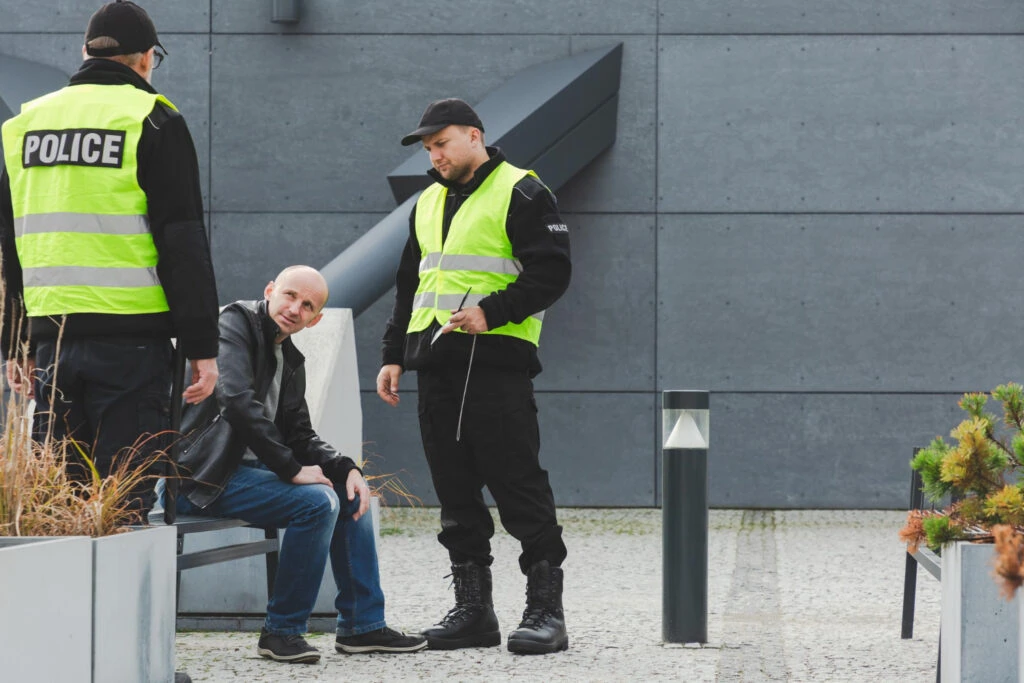

Leaving the courtroom behind marks the beginning of the entirely different struggle for many citizens. Life after such legal events involves navigating complex mazes that impact someone’s future. These hurdles can significantly alter the path back into the local community.
Residents frequently ask “what does having a felony prevent you from doing” when planning their next steps. This inquiry touches upon vital aspects of daily survival, such as employment and stable housing. Knowing these restrictions allows individuals to prepare for the specific challenges within California borders.
The state maintains specific rules regarding civil rights and professional certifications for those with records. Understanding these statutes remains crucial for anyone seeking to reclaim their independence. Such knowledge empowers residents to seek legal remedies or specialized support programs.
Navigating these obstacles requires patience and the right information to succeed. Our guide provides clear insights into the current landscape of re-entry. By learning about these limitations, one finds the strength to pursue meaningful transformation and success.
Key Takeaways:
- A conviction in California triggers various legal restrictions affecting housing, jobs, and rights.
- Understanding these limitations is the first step toward successful re-entry and rehabilitation.
Life After a Felony Conviction in California
A felony conviction in California can have far-reaching consequences, impacting daily life, social reintegration, and emotional well-being. The challenges are multifaceted, ranging from legal restrictions to social stigma.
One of the immediate effects of a felony conviction is the potential loss of certain privileges and rights. This can include restrictions on employment opportunities, as many employers are hesitant to hire individuals with a felony record. Additionally, there may be limitations on housing options, as some landlords may be unwilling to rent to convicted felons.
The emotional toll of a felony conviction should not be underestimated. Individuals may experience feelings of isolation, depression, and anxiety as they navigate the challenges of reintegrating into society. It is crucial for those affected to seek support from reentry programs and counseling services to help manage these emotional challenges.
Some of the key challenges faced by individuals with a felony conviction in California include:
- Difficulty finding stable employment due to background checks and employer biases
- Limited housing options resulting from landlord screening policies
- Social stigma and potential strain on personal relationships
- Emotional and psychological impacts, including depression and anxiety
Addressing these challenges requires a comprehensive approach that includes legal support, social services, and personal resilience. By understanding the broad impacts of a felony conviction, individuals can better navigate the complexities of life after a conviction.
Constitutional and Civil Rights Impacted by a Felony
The repercussions of a felony conviction extend into many areas of life, including fundamental rights protected by the Constitution. Understanding these impacts is crucial for individuals navigating the consequences of a felony conviction in California.
Voting Rights for Convicted Felons
In California, individuals with a felony conviction are generally not allowed to vote while they are incarcerated. However, voting rights are restored upon release from prison, even if they are still on parole. This policy aims to reintegrate former offenders into civic life as soon as possible after their release.
It’s worth noting that this restoration of voting rights upon release applies to those on parole or probation for felony convictions. However, individuals with multiple felony convictions or those convicted of certain election-related crimes might face different rules.
Jury Service Restrictions
A felony conviction can also affect an individual’s eligibility to serve on a jury. In California, persons with felony convictions are disqualified from jury service unless they have had their rights restored. The process for restoring these rights typically involves completing the sentence and having the conviction expunged or obtaining a pardon.
Jury service is a fundamental aspect of civic participation, and the restriction on felons serving on juries reflects concerns about impartiality and the integrity of the judicial process.
Rights to Hold Public Office
For those with felony convictions, the right to hold public office can be impacted. While some offices may be accessible after completing a sentence, certain public offices are barred to individuals with felony convictions. The specific restrictions can vary depending on the nature of the conviction and the office in question.
For example, certain state and federal laws prohibit individuals with felony convictions from holding specific public offices, such as law enforcement positions or elected offices that require a certain level of public trust.

Firearm and Ammunition Ownership Restrictions
In California, individuals with a felony conviction face stringent laws regarding the ownership and possession of firearms and ammunition. These restrictions are designed to enhance public safety, but they can also significantly impact the lives of those with felony convictions.
The impact on the right to keep and bear arms is substantial. Not only can a felony conviction affect an individual’s ability to purchase or possess firearms, but it can also restrict their access to ammunition. Understanding these restrictions is crucial for individuals with felony convictions to avoid unintentionally violating the law.
California’s Lifetime Ban on Gun Ownership
Under California law, a felony conviction typically results in a lifetime ban on owning or possessing firearms. This ban is enforced through California Penal Code Section 29800, which prohibits individuals convicted of felonies from possessing or owning firearms. This restriction is a significant consequence of a felony conviction, as it permanently alters an individual’s rights regarding firearm ownership.
It’s worth noting that while the ban is generally lifetime, there are legal avenues available for individuals to potentially restore their firearm rights. However, these processes can be complex and are not guaranteed.
Federal Firearm Prohibitions
In addition to California’s state laws, federal law also imposes restrictions on firearm ownership for individuals with felony convictions. The Federal Gun Control Act prohibits felons from shipping, transporting, receiving, or possessing firearms or ammunition that have been shipped or transported in interstate or foreign commerce. This federal prohibition applies regardless of whether the individual’s state of residence has restored their firearm rights.
Violating these federal firearm prohibitions can result in significant penalties, including fines and imprisonment. Therefore, it’s essential for individuals with felony convictions to understand the scope of these federal restrictions.
Ammunition Purchase and Possession Rules
California law also restricts the ability of individuals with felony convictions to purchase or possess ammunition. As of 2016, California prohibits individuals with felony convictions from buying or possessing ammunition. This restriction is enforced through background checks for ammunition purchases, making it more difficult for felons to obtain ammunition legally.
Furthermore, Proposition 63, enacted in 2016, further tightened ammunition purchase regulations by requiring background checks for all ammunition purchases and prohibiting the importation of ammunition by individuals without a valid ammunition vendor license.
These restrictions on firearm and ammunition ownership highlight the significant challenges faced by individuals with felony convictions in California. Understanding these laws is crucial for avoiding legal complications and navigating the complexities of post-conviction life.
What Does Having a Felony Prevent You From Doing in Employment
The consequences of a felony conviction extend beyond the initial sentence, affecting future job prospects. A felony record can create significant barriers to employment, making it challenging for individuals to secure a job and rebuild their lives.
One of the primary concerns for individuals with a felony conviction is the impact on their professional licenses. Many professions require licenses that may be denied or revoked due to a felony conviction.
Professional Licensing Barriers
Certain professions, such as law, medicine, and education, often have strict licensing requirements that may exclude individuals with felony convictions. For instance, the California Department of Consumer Affairs evaluates applicants with felony convictions on a case-by-case basis, considering factors such as the nature of the crime and its relevance to the profession.
Individuals with felony convictions may face challenges in obtaining or maintaining professional licenses, limiting their career options.
Background Check Challenges
Background checks are a common practice in the hiring process, and a felony conviction can significantly impact an individual’s chances of being hired. Employers often use background checks to assess the risk associated with hiring an individual with a felony conviction.
To mitigate this challenge, some states have implemented ban the box policies, which delay background checks until later in the hiring process. However, the effectiveness of these policies varies, and individuals with felony convictions must still contend with the stigma associated with a criminal record.
Specific Industries That Restrict Felons
Certain industries are more restrictive than others when it comes to hiring individuals with felony convictions. The following sectors often have strict policies:
- Healthcare and Medical Fields
- Education and Childcare
- Financial Services and Banking
Healthcare and Medical Fields
The healthcare industry is highly regulated, and felony convictions can be a significant barrier to employment. Many healthcare professions require licenses or certifications that may be denied or revoked due to a felony conviction.
For example, the California Board of Registered Nursing considers felony convictions when evaluating licensure applications. Individuals with felony convictions may be required to provide additional documentation or face disciplinary action.
Education and Childcare
Working with children is a sensitive area, and felony convictions can limit job opportunities in education and childcare. Schools and childcare centers often conduct thorough background checks, and a felony conviction can be a significant obstacle to employment.
In California, the California Department of Education conducts background checks on individuals working in educational settings. Felony convictions related to child safety or welfare can lead to denial or revocation of employment.
Financial Services and Banking
The financial services industry is heavily regulated, and felony convictions can impact job prospects. Banks and financial institutions often conduct thorough background checks, and a felony conviction can limit opportunities for employment.
For instance, the California Department of Business Oversight regulates financial institutions and may consider felony convictions when evaluating licensure applications.
Housing and Rental Limitations for Felons
In California, individuals with felony convictions face numerous hurdles when trying to rent or buy a home. The impact of a felony conviction extends beyond the initial sentence, affecting various aspects of life, including housing opportunities.
Private Landlord Screening Policies
Private landlords in California often conduct thorough background checks on potential tenants. This process can be a significant barrier for individuals with felony convictions, as many landlords have strict policies against renting to felons. Some landlords may reject applicants based on the type of felony, the time elapsed since the conviction, or other factors. It’s essential for individuals with felony convictions to be aware of their rights and the laws governing rental applications.
Under California law, landlords are allowed to consider an applicant’s criminal history when making rental decisions. However, they must apply their screening criteria consistently to all applicants. Some cities in California have implemented “ban the box” policies, which prohibit landlords from inquiring about an applicant’s criminal history until later in the application process.
Public Housing and Section 8 Restrictions
Public housing and Section 8 housing programs have specific rules regarding eligibility for individuals with felony convictions. The U.S. Department of Housing and Urban Development (HUD) allows housing authorities to consider an applicant’s criminal history when determining eligibility. Generally, housing authorities may deny assistance to individuals with certain types of felony convictions, such as those involving violence or drug-related offenses.
- Felonies involving violence or threats of violence may lead to denial of public housing or Section 8 assistance.
- Drug-related felonies can also result in ineligibility for these housing programs.
- Some housing authorities may consider the time since the conviction and the individual’s behavior since then.
Homeownership and Mortgage Challenges
Achieving homeownership can be particularly challenging for individuals with felony convictions. Mortgage lenders often have strict criteria, including credit score requirements and income verification. A felony conviction can impact an individual’s creditworthiness and ability to secure a mortgage.
Additionally, some mortgage programs have specific restrictions or requirements for applicants with felony convictions. For example, Federal Housing Administration (FHA) loans may be available to individuals with felony convictions, but the lender may consider the nature of the conviction and the time since it occurred.
It’s crucial for individuals with felony convictions to explore their options and seek guidance from housing counselors or legal professionals to navigate the challenges of securing housing.
Travel, Passport, and International Restrictions
Felony convictions can impose severe limitations on an individual’s freedom to travel, both within and outside the country. Understanding these restrictions is crucial for those with a felony record who wish to travel.
One of the primary concerns for individuals with a felony conviction is how it affects their ability to obtain or maintain a passport. While a felony conviction does not automatically result in the denial of a passport, certain conditions related to the conviction can impact eligibility.
Passport Eligibility for Felons
The U.S. Department of State issues passports to U.S. citizens, and having a felony conviction does not inherently disqualify someone from obtaining a passport. However, there are exceptions, particularly if the individual is under investigation or has been convicted of a federal felony related to international or domestic drug trafficking.
Additionally, if a court has imposed specific restrictions on travel as part of the sentence or probation, this could affect passport eligibility. It’s also worth noting that outstanding warrants or certain conditions of parole or probation can restrict an individual’s ability to obtain a passport.
Countries That Deny Entry to Convicted Felons
Some countries have strict policies regarding the entry of individuals with felony convictions. While the specific countries and their policies can vary, it’s essential for travelers to research their destination’s entry requirements.
- Canada is known for being particularly strict, often denying entry to individuals with criminal records.
- Australia and New Zealand also have stringent policies and may require special visas or character assessments.
- Understanding the entry requirements of your destination country is crucial to avoid being turned back or facing legal issues abroad.
Probation and Parole Travel Limitations
For individuals on probation or parole, travel restrictions are commonly imposed as part of their supervision conditions. These restrictions can limit travel to certain areas or require permission from a probation or parole officer to travel outside designated zones.
Key considerations for travel under probation or parole include:
- Obtaining permission from your probation or parole officer before traveling.
- Understanding the geographical limitations imposed by your supervision conditions.
- Complying with any reporting requirements while traveling.
Violating these conditions can result in severe consequences, including revocation of probation or parole and return to custody.
Family, Lifestyle, and Personal Consequences
The repercussions of a felony conviction extend beyond the legal realm, impacting family, lifestyle, and personal aspects of an individual’s life. A felony conviction can strain family relationships and limit opportunities in various personal and professional contexts.
Child Custody and Visitation Rights
A felony conviction can significantly affect child custody and visitation rights. Courts prioritize the best interests of the child, and a felony conviction may raise concerns about a parent’s ability to provide a stable and safe environment. Courts consider various factors, including the nature of the felony, the parent’s criminal history, and their ability to provide for the child’s needs.
In some cases, a felony conviction may lead to supervised visitation or, in more severe cases, termination of parental rights. It’s essential for individuals with a felony conviction to understand their rights and the potential implications for their family dynamics.
Adoption and Foster Care Restrictions
For those considering adoption or becoming foster parents, a felony conviction can be a significant barrier. Adoption and foster care agencies conduct thorough background checks, and a felony conviction may disqualify an individual or couple from adopting or fostering a child.
- Felonies involving children or violent crimes are typically considered serious impediments.
- Some agencies may consider the nature of the felony and the time elapsed since the conviction.
- Legal guidance can be crucial in navigating these complex regulations.
Educational Financial Aid Limitations
A felony conviction can also impact an individual’s ability to access educational financial aid. Federal student aid eligibility may be affected, particularly for those convicted of drug-related offenses. However, there are pathways to regain eligibility, such as completing a rehabilitation program or passing a drug test.
Understanding the specific implications of a felony conviction on educational opportunities is vital for those seeking to further their education.
Social Stigma and Relationship Impacts
Beyond the legal and practical consequences, a felony conviction carries a social stigma that can affect personal relationships and overall well-being. Rebuilding trust and maintaining relationships can be challenging, but not impossible, with effort and support.
- Open communication about the conviction and the steps taken towards rehabilitation can help in rebuilding trust.
- Support groups and counseling can provide valuable resources for individuals and their families.
- Community involvement and positive contributions can also aid in mitigating the social impacts of a felony conviction.

Restoring Your Rights Through Expungement and Other Legal Remedies
For those with a felony conviction in California, the road to recovery involves not just rehabilitation but also legal recourse to restore rights and privileges. A felony conviction can have lasting impacts on various aspects of life, from employment opportunities to personal freedoms. However, California law provides several legal remedies to help individuals regain their footing.
California Expungement Process Under PC 1203.4
One of the primary legal remedies available is expungement under California Penal Code 1203.4. Expungement is a legal process that allows individuals to petition the court to dismiss their felony conviction, effectively removing it from their criminal record. This can be a crucial step in rebuilding one’s life, as it can improve job prospects and reduce the stigma associated with a felony conviction.
To be eligible for expungement, individuals must meet specific criteria, including:
- Completing their probation term or having it terminated early.
- Not being currently charged with a crime or on probation for another offense.
- Having fulfilled all conditions of their probation.
Certificate of Rehabilitation
A Certificate of Rehabilitation is another legal remedy that can help individuals with felony convictions. This certificate is issued by the court and serves as an official acknowledgment of an individual’s rehabilitation. It can be used to demonstrate to employers, landlords, and other relevant parties that the individual has been rehabilitated and is committed to living a law-abiding life.
To obtain a Certificate of Rehabilitation, individuals must:
- Have lived in California for at least five years.
- Have been lawfully released from custody or completed their probation.
- File a petition with the court in the county where they reside.
Governor’s Pardon
A Governor’s Pardon is a more extraordinary form of relief that involves the Governor of California granting clemency to an individual with a felony conviction. A pardon does not expunge a conviction but can restore certain rights, such as the right to vote or own firearms.
The process for obtaining a Governor’s Pardon involves:
- Preparing a detailed application that includes information about the conviction, rehabilitation efforts, and reasons for seeking a pardon.
- Submitting the application to the California Board of Parole Hearings for review.
- Receiving a recommendation from the Board, which is then considered by the Governor.
Reduction of Felony to Misdemeanor
California law also allows for the reduction of certain felony convictions to misdemeanors under Proposition 47 and other statutes. This process can provide significant relief by reducing the severity of the conviction on an individual’s record.
To be eligible, the felony conviction must be for an offense that is reclassified as a misdemeanor under the relevant statute. Individuals can petition the court to have their felony conviction reduced, which can have a positive impact on their future opportunities.
By understanding and utilizing these legal remedies, individuals with felony convictions in California can take significant steps towards restoring their rights and rebuilding their lives.
Conclusion
A felony conviction in California can have far-reaching consequences, impacting various aspects of life, from employment and housing to personal relationships and travel. Understanding these implications is crucial for individuals seeking to rebuild their lives.
As discussed, a felony conviction can restrict firearm ownership, limit job opportunities, and affect housing options. It can also impact family dynamics, educational pursuits, and international travel. However, California law provides avenues for relief, such as expungement, certificate of rehabilitation, and reduction of a felony to a misdemeanor.
Seeking legal remedies can help mitigate the effects of a felony conviction. By exploring these options, individuals can work towards restoring their rights and rebuilding their lives. Consulting with a legal professional can provide guidance on the best course of action.
Rebuilding after a felony conviction requires patience, persistence, and the right support. By understanding the available legal remedies and taking proactive steps, individuals can move forward and create a more stable future.