If you have bought a CBD gummy at a gas station or a tincture at a smoke shop in Bakersfield, you have probably asked yourself: is CBD legal? The short answer is yes, as long as the product has no THC in it. The longer answer changed on January 1, 2026, and it is about to change again under federal law. This article explains what you can buy, what stores can sell, and when a CBD product can turn into a criminal case in Kern County.
What CBD is, and why the THC matters more
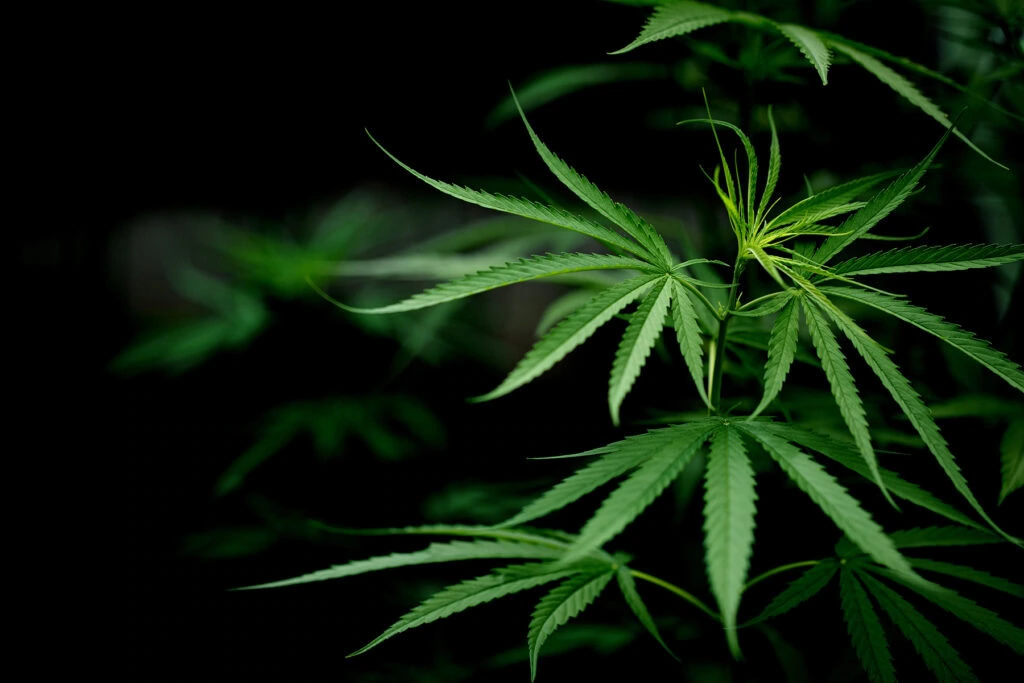
CBD is short for cannabidiol. It is a chemical found in the cannabis plant. CBD does not get you high. THC is the chemical in the same plant that does. California law does not focus much on the CBD itself. It focuses on how much THC comes with it.
Hemp and marijuana are the same plant species. The legal difference is the THC level. Under federal law, hemp is cannabis with no more than 0.3 percent THC by dry weight. Anything above that is marijuana. CBD made from hemp is what you see on store shelves. CBD made from marijuana is sold only in licensed cannabis dispensaries.
CBD comes as oils, gummies, drinks, capsules and skin creams. The form matters too, because California now treats smokable and vaped hemp differently from a lotion.
Is CBD legal in California?
Yes, with limits. In 2021, Assembly Bill 45 made it legal to sell hemp-derived CBD in food, drinks, supplements and cosmetics. Then Assembly Bill 8, signed on October 2, 2025 and in effect since January 1, 2026, tightened the rules. California now treats any hemp product with a detectable amount of THC as an intoxicating product, and intoxicating products are regulated like cannabis.
Here is what that means at the store:
| Product | Legal at regular retail (smoke shops, gas stations, online) in 2026? |
|---|---|
| CBD isolate gummies, oils, drinks or capsules with no THC | Yes, for buyers 21 and over |
| “Full spectrum” CBD with trace THC | No. Only through a licensed cannabis dispensary |
| Hemp flower and pre-rolls | No. Banned at retail since January 1, 2026 |
| Hemp vapes that contain any THC | No |
| Delta-8, delta-10, HHC and other lab-made cannabinoids | No. Banned in every retail channel |
| CBD lotions and creams | Yes. Cosmetics follow their own labeling rules |
Two rules drive that table:
- Hemp extract used in food, drinks or supplements must be CBD or CBN isolate with a purity above 99 percent, with no THC and no synthetic cannabinoids. That is Health and Safety Code 111921.1.
- Stores cannot sell hemp food products or inhalable hemp products to anyone under 21.
Two state agencies share the job. The California Department of Public Health oversees hemp products with no THC. The Department of Cannabis Control handles anything with THC. Starting January 1, 2028, anyone extracting cannabinoids from hemp will need a Department of Cannabis Control license.

When a CBD product becomes a criminal problem
“Intoxicating hemp” is the term the state uses for a hemp product that contains THC or a synthetic cannabinoid. Under AB 8, a business that makes or sells intoxicating hemp products in violation of the law can face the same civil and criminal penalties that apply to illegal cannabis manufacturing and sales. This is the part most shop owners miss.
Say you run a smoke shop off Highway 99 in Bakersfield. In 2025 you stocked delta-8 vapes and full spectrum gummies, and that was legal under AB 45. Those same products on your shelf today can be seized, and you can be charged as if you were selling cannabis without a license. The product did not change. The law did. If you are facing that kind of charge, a drug crime defense lawyer in Bakersfield can review whether the product actually tested above the limit and whether the search of your store was lawful.
For the person buying CBD, the risks are narrower, but they are real:
- Minors. Giving any cannabis product, which now includes hemp products with THC, to a minor is a felony under Health and Safety Code 11361. The sentence is 3, 5 or 7 years in state prison if the minor is under 14, and 3, 4 or 5 years if the minor is 14 or older. A parent who hands a teenager a THC gummy to “help with sleep” can also face a charge of contributing to the delinquency of a minor.
- Driving. CBD alone will not get you arrested for DUI. But some products labeled CBD contain more THC than the label says. If you are pulled over on Highway 58 after taking one and an officer sees signs of impairment, you can be arrested for driving under the influence of marijuana, and the label will not be a defense.
- Mislabeled products. Labels are not always accurate, so buy from a seller who posts a certificate of analysis. California law requires hemp food and cosmetic products to carry a label, barcode or QR code that links to a lab test showing total THC.
These cases are heard in Kern County Superior Court like any other drug case. Most first-time charges tied to hemp products start as misdemeanors, but a sale to a minor or a large-scale unlicensed operation can be filed as a felony.
Federal law changes in November and December 2026
The 2018 Farm Bill removed hemp from the federal list of controlled substances, as long as it had no more than 0.3 percent delta-9 THC. That definition is being rewritten.
Public Law 119-37, signed on November 12, 2025, changes the federal definition of hemp. A later funding law, Public Law 119-103, signed on September 2, 2026, split the change into two dates:
- November 12, 2026. Cannabinoids that a cannabis plant cannot naturally produce no longer count as hemp. Products that contain them become marijuana under federal law.
- December 11, 2026. Hemp will be measured by total THC, including THCA, rather than delta-9 THC alone. A finished product cannot contain more than 0.4 milligrams of total THC per container.
A product over that limit is marijuana under the federal Controlled Substances Act, even if it was sold as hemp. For California readers this lines up with AB 8, which already bars THC in retail hemp products. The practical point is the same under both laws: a “CBD” product that contains THC is no longer a legal gray area.
Can a California vet recommend CBD for my pet?
Yes, since January 1, 2023. Assembly Bill 1885 lets a licensed California veterinarian recommend cannabis or hemp products for an animal patient. The vet cannot prescribe, dispense or administer the product. The Veterinary Medical Board has published guidelines that vets must follow when they make a recommendation.
Quick answers
Is CBD legal in California without a medical card?
Yes. You do not need a medical card to buy CBD products with no THC. You must be 21 or older.
Is delta-8 legal in California?
No. Since January 1, 2026, delta-8 and other synthetic or lab-made cannabinoids are banned in all retail channels in California.
Can I be arrested for having CBD in Bakersfield?
Not for a legal, THC-free product. The risk comes from products that contain THC or synthetic cannabinoids, from giving any THC product to a minor, and from driving while impaired.
Talk to a Bakersfield defense attorney
CBD law in California changed fast, and many people and small businesses got caught in the middle. If you have been cited or charged over a hemp or cannabis product in Kern County, contact the Law Office of David L. Faulkner for a free consultation. We will go over the facts, the lab results and the search that led to the charge, and tell you honestly where your case stands.