
Understanding The Concept Of Pressing Charges
Definition Of Pressing Charges (California context)
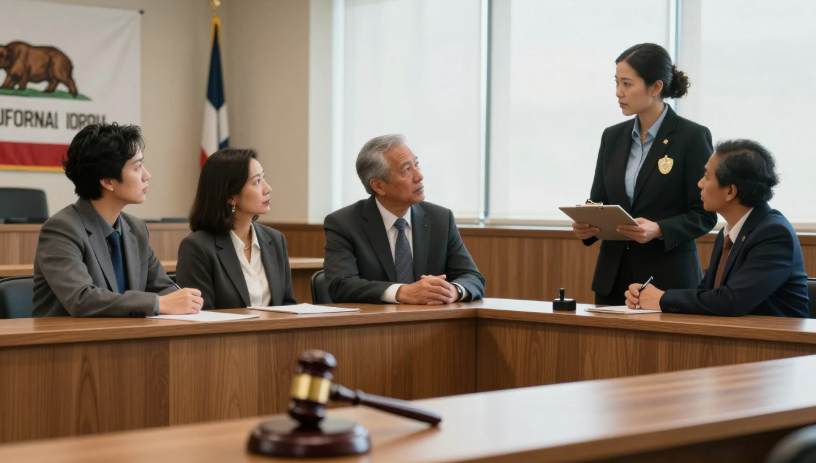
Role Of The Prosecutor
Difference Between a Victim’s Report and the Prosecutor’s Decision
Can Charges Be Pressed Without Proof?
Short answer: a person can report an alleged crime, but criminal charges proceed only if prosecutors and law enforcement conclude there is sufficient evidence to support the charge. In California the filing decision rests with the district attorney, who screens the investigative file for probable cause and a viable path to conviction at trial.
Importance Of Evidence In Pressing Charges
Evidence is the backbone of any criminal case. Prosecutors evaluate witness statements, physical and forensic evidence (DNA, fingerprints, surveillance), digital records (texts, phone location), and police reports to determine whether the facts support the legal elements of the alleged offense.
A thorough investigative file increases the likelihood that the DA will file charges. Conversely, weak or uncorroborated accusations without corroborating evidence often lead prosecutors to decline prosecution or seek additional investigation.
– Standard Of Proof vs. Probable Cause
It’s important to distinguish two standards: the DA needs probable cause to charge (a relatively low threshold showing a reasonable belief the suspect committed the crime), while the prosecution must later prove guilt beyond a reasonable doubt at trial. A case can be charged on probable cause even though proof beyond a reasonable doubt will be required to convict.
Understanding that difference explains how some matters reach court despite imperfect or circumstantial proof—the DA believes there is enough to proceed and to present the matter to a judge or jury.
Circumstances Where Charges May Proceed Without Direct Proof
Direct proof (an eyewitness, video, or physical evidence tying a defendant to the crime) helps, but prosecutors can and do bring charges based on strong circumstantial evidence or multiple corroborating facts. Examples include:
- Cell-site records and timestamps that place a suspect at the scene;
- Surveillance video showing conduct tied to the defendant by distinctive clothing or vehicle records;
- Forensic links (DNA or fingerprints) that connect a person to critical items; and
- Consistent, credible witness testimony corroborated by other facts.
In each example, the prosecutor assesses whether the circumstantial proof, taken together, is enough evidence to proceed toward arrest, charging, and ultimately prosecution in court.
What Prosecutors Look For — Enough Evidence to File
Before filing, prosecutors typically look for:
- Evidence establishing each legal element of the alleged crime;
- Reasonably reliable witnesses who can testify in court;
- Corroboration that reduces reliance on one person’s account;
- A realistic plan to prove the case at trial (or to resolve it via plea where appropriate); and
- Consideration of public safety, victim impact, and resource allocation.
If those factors are missing, the prosecutor may decline to file charges or request further investigation from law enforcement, including search warrants if additional evidence is believed to exist.
Practical Checklist — Preserving Evidence
If you’ve been a victim or a witness and want to improve the chance that a prosecutor will act, preserve and document:
- Photos of injuries, property damage, or the scene;
- All communications (texts, DMs, emails) with timestamps;
- Phone records, call logs, and cell-site or GPS information if available;
- Video footage (surveillance, doorbell cams) and copies of any relevant files; and
- Names and contact details of witnesses and any supporting documents (medical reports, receipts).
Provide this material to the investigating officers and ask for the report or case number so the DA can review it. Prompt preservation improves the quality of evidence available to prosecutors when they make their filing decision.
If you want, I can expand this section with California-specific citations (Penal Code references, local DA charging guidelines) and short examples showing how probable cause and evidence interact in misdemeanor versus felony filings.
Factors Influencing The Decision To Press Charges
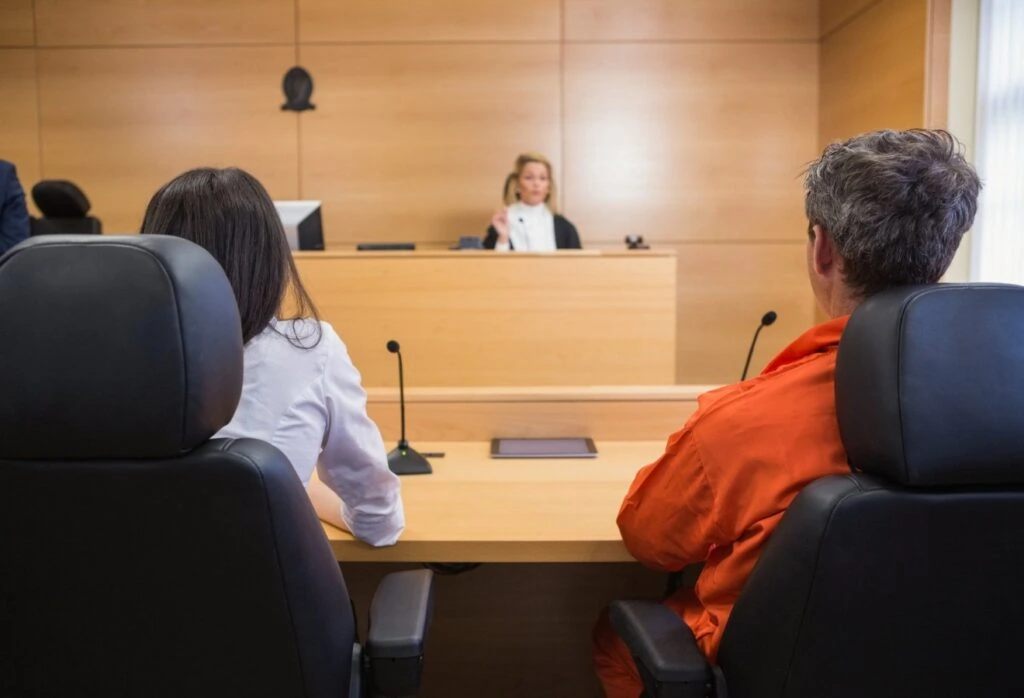
Whether a matter becomes a criminal case in court depends on several interlocking factors. After law enforcement completes its initial investigation, the county prosecutor weighs the strength of the file, witness reliability, public safety concerns, and practical considerations such as the likelihood of conviction and office resources.
– Prosecutor’s Discretion
Prosecutors in California have broad charging discretion. That means the DA’s office decides whether to file charges, which charges to file (misdemeanor or felony), and whether diversion or alternative resolutions are appropriate. Their decision considers whether probable cause exists, whether the evidence supports each legal element, and whether the office can realistically prove the case at trial.
DA offices also follow local charging guidelines—some matters (for example, domestic violence, sexual assault, elder abuse) receive special screening or are referred to victim-witness services. If you report a crime, ask the detective for the case number and the victim-witness coordinator to learn how your county handles prosecution decisions.
– Witness Statements And Testimonies
Credible witnesses are often the linchpin of a successful prosecution. Prosecutors assess whether witnesses are consistent, reliable, and willing to testify. Investigators corroborate witness accounts with physical evidence, surveillance, or electronic records to reduce the risk of recantation or impeachment at trial.
If a case rests on a single uncorroborated statement, a prosecutor may decline charges or request further investigation. Conversely, multiple consistent witnesses or corroborating documentary evidence can make a weaker direct account strong enough to support filing.
– Available Evidence
The type and quality of available evidence directly influence charging decisions. Physical proof (forensics, DNA, fingerprints), video footage, electronic records (texts, call logs, GPS), and documents increase the chance a prosecutor will file charges. In their review, prosecutors ask whether the evidence is admissible in court and whether it establishes the elements of the alleged offense.
When direct evidence is lacking, corroborating circumstantial evidence can suffice—provided it forms a persuasive chain linking the defendant to the alleged conduct.
– Investigation Quality And Resource Considerations
A thorough law enforcement investigation—timely evidence collection, preserved digital data, timely forensic testing, and clear police reports—makes prosecution more likely. Prosecutors also weigh office resources: complex multi-defendant felonies consume more time than straightforward misdemeanor cases, which can shape the DA’s charging decision.
California-Specific Notes
In many California counties, DA offices publish charging or diversion policies. Some allegations—especially those involving vulnerable victims—trigger priority handling or mandatory victim notifications. Local victim-witness programs can explain the DA’s process and provide support through the investigation and prosecution.
Quick Actions For Victims & Witnesses
To help advance a case to filing, preserve evidence immediately: keep photos, save all messages, note exact times and locations, and collect witness contact information. Provide these materials to investigating officers and ask for the police report or case number so the DA can review them.
If you need help preserving evidence or understanding how your county DA handles charging, contact local victim-witness services or consult a California criminal attorney for guidance on interacting with law enforcement and the prosecutor’s office.
How to Press Charges on Someone (California) — Step‑by‑Step Process
If you believe a crime has been committed in California, there is a practical, stepwise process you can follow to bring the matter to law enforcement and to the attention of the prosecutor. Below is a clear checklist to preserve evidence, report the incident, and navigate the early stages of a criminal case.
- Preserve evidence immediately. Photograph injuries or property damage, save clothing in a paper bag (do not launder), and preserve digital evidence — screenshots, texts, emails, voice mails, and video. Early preservation is critical because forensic and digital data can be lost or overwritten.
- Report the incident to police or sheriff. Contact local law enforcement — call 911 for emergencies or the non‑emergency line for past events. Many California agencies allow online reports for certain offenses; for serious crimes go in person to the station to ensure a full report.
- Obtain the report or case number and detective contact. After filing, request a written incident number and the name/phone of the assigned detective so you can follow up. That number is what the DA will use to retrieve the file for screening.
- Cooperate with the investigation. Provide witness names, relevant documents, access to digital evidence, and a written timeline of events. Ask law enforcement whether they will seek warrants or subpoenas for additional evidence, and whether they have submitted the file to the DA.
- Understand the prosecutor’s screening process. The district attorney reviews the police file to determine if there is probable cause and sufficient proof to support each element of the alleged offense. This process can take days to weeks depending on the complexity; for felonies the DA may request additional investigation before deciding to file formal charges.
- Know the potential immediate outcomes. If probable cause exists, law enforcement may seek an arrest or an arrest warrant. If charges are filed, the defendant will appear for arraignment, where bail and initial pleas are addressed. If the DA declines, ask whether they can reopen the file if new evidence emerges.
- Seek victim-witness assistance and protective measures. Contact your county’s victim-witness program for support, notification rights, and information about protective orders. If you fear retaliation, request safety planning and ask the detective about restraining or emergency protective orders.
- Follow up and keep records. Track all communications, keep copies of medical records, and note dates/times of any contacts with police or the DA. Maintain a file of all preserved evidence and correspondence.
Practical tips: don’t delete messages or the device that contains them; ask the police whether evidence will be forensically preserved; and if you’re unsure how to proceed, seek legal help from an experienced California criminal attorney or a victim advocate who can explain the DA’s timelines and the charging process.
If you need immediate assistance preserving evidence or filing a report, contact your local police department or sheriff’s office — and consider consulting a lawyer early, particularly in matters likely to lead to an arrest, warrant, or formal charges. For questions about the arraignment timeline and what the prosecutor will review, a lawyer can provide case‑specific knowledge and guidance.
What to Do If You Want to Drop Charges Now (California)
If you reported a crime and now want the matter stopped, understand this key California reality: a victim’s request to “drop charges” does not automatically end a criminal prosecution. Once law enforcement forwards a file and the prosecutor files formal charges, the decision to dismiss lies with the DA’s office — the prosecutor decides whether to proceed in the public interest.
What You Can Do If You Want Charges Dropped
- Contact the detective or prosecutor promptly. Explain why you want the report withdrawn — new facts, mistake, reconciliation, or safety concerns. Provide any supporting documentation that clarifies the situation.
- Explain safety concerns and request protective measures. If you fear retaliation, ask law enforcement about safety planning or ask the DA about restraining orders rather than stopping the prosecution.
- Provide new evidence or statements. If your earlier report included errors or was made under duress, submit a clear written statement to the detective and the DA describing the reasons.
- Ask about alternatives. Prosecutors may consider diversion, restorative justice, victim-offender mediation (in appropriate cases), or recommending a reduced charge as part of a plea if dismissal is not appropriate.
- Consult an attorney. If charges have already been filed, speak with a criminal defense lawyer — they can communicate with the DA, advise about possible plea options, motions to dismiss, or other legal remedies to prevent or mitigate a criminal record.
How Prosecutors Typically Respond
Prosecutors evaluate the totality of the evidence, victim safety, and public interest before deciding to dismiss. Common reasons a DA may decline or dismiss a case include lack of sufficient evidence, recantation combined with corroboration problems, or new facts undermining probable cause. Dismissal can take time as the DA reviews submissions and may consult with investigators.
Sample Language to Contact Police or the DA
“I am the reporting party on Incident #_________. I wish to inform you that I no longer want the matter prosecuted for the following reasons: [brief factual explanation]. Please let me know if you need a written statement or additional information.”
If charges have been filed, modify the message and send it to the assigned prosecutor’s email or victim‑witness coordinator, and request confirmation of receipt.
When Charges Are Already Filed — Practical Options
Once formal charges are filed, the DA controls dismissal. Options include asking the prosecutor to dismiss, cooperating with a plea negotiation (which may avoid a permanent criminal record), or presenting new evidence through your attorney. The DA may also seek a plea that resolves the matter without trial where dismissal is inappropriate.
If you’re considering withdrawing a report or asking the DA to decline prosecution, get legal advice — an attorney can help you communicate effectively with law enforcement and the prosecutor and protect your safety and legal interests.
If you need help drafting a statement, reaching the detective or DA, or understanding plea options and record consequences, consult an experienced California criminal attorney for specific guidance.
As a Defendant: What to Do If Someone Presses Charges Against You (California)
Being the subject of criminal charges is stressful. If someone has reported you to law enforcement or a prosecutor has filed a case, act promptly and deliberately. The steps below reflect California practice and protect your rights while advancing an effective defense.
- If arrested, invoke your rights immediately. You have the right to remain silent and the right to an attorney. Politely tell officers you wish to remain silent and ask for a lawyer before answering questions. Do not consent to searches without counsel present.
- Contact a criminal defense lawyer without delay. Whether you hire a private attorney or the public defender, counsel protects your constitutional rights, advises you at arraignment, and begins building your defense. If you cannot afford a lawyer, request appointment of counsel at your first court appearance.
- At booking and in custody, document the process. Note the time of arrest, booking details, and any statements you made. If detained in custody, remain respectful but again ask for an attorney before speaking about the charges.
- Preserve exculpatory evidence quickly. Gather alibi information, photographs, messages, GPS or cell records, and names of witnesses who can corroborate your account. Do not contact the alleged victim or interfere with witnesses—have your lawyer handle communications.
- Prepare for arraignment. In California the defendant is typically brought before a judge for arraignment soon after arrest (timing varies by county, often within 48–72 hours excluding weekends). At arraignment you will hear the formal charges and enter a plea; your attorney should advise whether to plead not guilty, seek bail modification, or discuss early resolution options.
- Avoid self-help and direct contact with the accuser or witnesses. Direct contact can be used against you and may lead to new charges (harassment, intimidation). Coordinate through your lawyer and, if appropriate, involve family members for support rather than direct intervention.
- Understand possible outcomes and collateral consequences. Charges can lead to jail, probation, fines, or a permanent criminal record depending on whether the matter is a misdemeanor or felony. Early lawyer involvement helps explore pretrial motions (suppression, dismissal), diversion programs, or plea negotiations to minimize exposure.
If you are falsely accused, immediate preservation of digital records, timestamps, and witness contact information is critical. A prompt and strategic response increases the chance of charge dismissal or a favorable resolution. For family members seeking to help, direct them to obtain legal help for you and to provide logistical support (transportation to counsel, collecting documents), but not to contact the alleged victim.
To find a qualified California criminal lawyer, contact your county bar association, Legal Aid, or use the state bar referral service. Early counsel can provide the case‑specific knowledge you need to protect liberty, address bail, and plan defense strategy.
The Importance Of Legal Representation
Legal representation matters at every stage of a criminal case. Whether you are a victim seeking to have appropriate charges brought or a person who has been accused, an experienced California criminal attorney protects your constitutional rights, advises on strategy, and produces the procedural work that shapes outcomes in court.
Contact counsel as early as possible — ideally before giving a recorded statement to law enforcement or the prosecutor. A lawyer can explain the DA’s screening criteria, recommend what evidence to preserve, and prevent inadvertent mistakes that can harm your position later in the trial or plea process.
What a California Criminal Lawyer Can Do
- Advise on immediate rights and what to say (or not say) to police to avoid self-incrimination;
- Preserve, subpoena, and analyze evidence (digital records, surveillance, forensic reports) to build or challenge the prosecutor’s theory;
- File pretrial motions under the California Penal Code — suppression motions, motions to dismiss, or Penal Code § 995 petitions to challenge the charging document;
- Negotiate plea agreements that may avoid jail and minimize a permanent record, or seek diversion programs where eligible;
- Represent you at arraignment, pretrial hearings, and trial if necessary; and
- Explain collateral consequences (immigration, employment, family law) and pursue strategies to protect those interests.
A skilled defense lawyer brings procedural knowledge and negotiation experience that can reduce exposure — for example, obtaining dismissal after successful suppression of unlawfully obtained evidence, or negotiating probation rather than jail through plea bargaining. An attorney also helps victims navigate interaction with the DA if they wish to press or withdraw a report.
Public Defender vs. Private Counsel — Timing Matters
If you cannot afford a private attorney, you are entitled to court‑appointed counsel. However, private counsel can often begin investigation immediately, preserving evidence and interviewing witnesses while the public defender assignment process is underway. Early representation frequently improves outcomes.
If you need help finding a qualified attorney, contact your county bar referral service, the state bar, or trusted local criminal defense firms for a consultation. Prompt legal assistance is one of the most effective ways to protect liberty, reputation, and family interests when charges are possible or pending.
FAQs
a) Are pressing charges and suing the same?
No. “Pressing charges” refers to initiating a criminal process where the state prosecutes an alleged offender; the district attorney files criminal charges seeking punishment. Suing is a civil action — a private party files a lawsuit in court seeking money or equitable relief, not criminal penalties.
b) What’s the difference between complaint, charges, and arrest?
An arrest is the physical taking into custody based on probable cause. A police report or victim complaint starts an investigation. A written complaint (or information/indictment for felonies) is the formal accusation the DA files; “charges” are the specific counts the defendant must answer in court.
Conclusion
In California, anyone can report a suspected crime to the police, but whether formal criminal charges proceed is a decision for the prosecutor after review of the investigative case file and the available evidence. Circumstantial proof can sometimes be enough, but strong, preserved evidence makes success at trial more likely.
If you are a victim: report the incident promptly, preserve records and communications, and contact victim‑witness services for support. If you are accused: assert your rights, request an attorney immediately, and preserve exculpatory material. Acting quickly often makes the biggest difference in protecting liberty, avoiding an unnecessary criminal record, and moving toward just outcomes under California law.
If you need help—whether to press charges responsibly or to respond to charges—consult a qualified California criminal attorney as soon as possible. Early legal advice saves time and can preserve options for resolution short of trial while advancing the cause of justice.