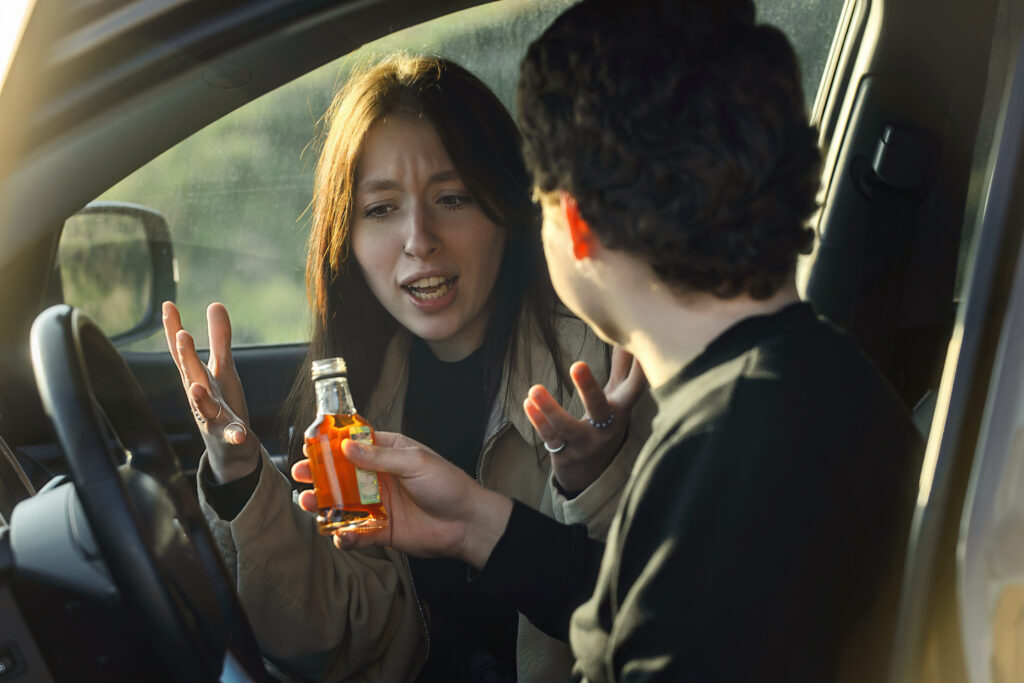

The question, ‘When did drinking and driving become illegal?‘ does not have a single, simple answer. Drunk driving laws developed gradually over more than a century, shaped by changing technology, public safety concerns, and shifting social attitudes toward alcohol use. What began as loosely enforced rules eventually evolved into today’s strict DUI laws, including per se blood alcohol concentration limits and zero tolerance standards. Understanding how these laws came to be helps explain why drunk driving is treated so seriously in modern legal systems.
When Did Drinking and Driving Become Illegal in California?
Drinking and driving was not always illegal in the way people understand it today. In the early 1900s, automobiles were new, and laws focused more on reckless driving than alcohol impairment. Some of the first DUI laws appeared in the 1910s and 1920s, but they were vague and difficult to enforce.
California passed one of the earliest drunk driving statutes in 1913, making it illegal to drive while intoxicated. However, “intoxicated” was subjective, and enforcement relied heavily on officer observation rather than scientific measurement. Other states followed over the next several decades, but penalties were light, and convictions were uncommon.
It was not until the mid-20th century that lawmakers began adopting measurable standards, recognizing that alcohol impairment could be quantified and regulated more effectively.
Drunk Driving Legislation by States (The Zero Tolerance Standard)
- By the 1930s and 1940s, researchers had established a connection between blood alcohol concentration (BAC) and impaired driving. States slowly began adopting BAC limits, initially setting thresholds as high as 0.15%. Over time, these limits were lowered as evidence showed impairment occurred at lower levels.
- By the 1980s and 1990s, most states adopted a 0.10% BAC standard, which was later reduced to 0.08%. In 2000, federal incentives encouraged all states to adopt 0.08% as the per se legal limit, meaning impairment is presumed at or above that level regardless of observed behavior.
- The zero tolerance standard emerged later, particularly for underage drivers. Under zero tolerance laws, drivers under 21 can be charged with a DUI for any measurable amount of alcohol in their system, often as low as 0.01% or 0.02%. Today, all states enforce some form of zero tolerance for underage drinking and driving.
- In recent years, some states have considered even stricter standards, including lowering the BAC limit to 0.05% for all drivers. While not yet adopted nationwide, these proposals reflect a continued shift toward prevention rather than punishment alone.
Advances in vehicle safety technology, ignition interlock devices, and public education campaigns have also influenced how drunk driving laws are enforced today, reinforcing the idea that impairment at any level poses a serious public risk.
The Legal Consequences of Drunk Driving
Modern DUI laws carry significant penalties designed to deter dangerous behavior. Consequences vary by state and by the severity of the offense, but common penalties include jail time, fines, probation, license suspension, and mandatory alcohol education programs.
Aggravating factors can greatly increase penalties. These include high BAC levels, repeat offenses, causing property damage, or injuring another person. Felony DUI charges may apply when serious bodily injury or death occurs, or when a driver has multiple prior convictions.
Beyond criminal penalties, a DUI conviction can lead to long-term consequences such as higher insurance rates, difficulty finding employment, professional licensing issues, and permanent criminal records in some cases.
Steps to Take When Hit by a Drunk Driver
If you are involved in an accident caused by a drunk driver, your actions in the immediate aftermath matter.
First, seek medical attention, even if injuries appear minor. Some injuries worsen over time, and early documentation is important.
Second, contact law enforcement and ensure a police report is completed. Officers can conduct sobriety testing and document signs of impairment. If possible, gather evidence at the scene, including photographs, witness contact information, and vehicle damage.
Finally, avoid discussing fault with insurance companies before understanding your rights. Statements made early can later be used to minimize compensation.
What Compensation Can You Get?
Victims of drunk driving accidents may be entitled to compensation through insurance claims or personal injury lawsuits. Recoverable damages often include medical expenses, lost wages, property damage, rehabilitation costs, and pain and suffering.
In cases involving intoxicated drivers, courts may also allow punitive damages. These are designed to punish especially reckless behavior and deter future misconduct. Availability and limits on punitive damages depend on state law and the facts of the case.
If a drunk driver was working at the time of the accident or served alcohol illegally by a business, additional parties may share liability, increasing potential compensation.
What Happens If You’re Partially at Fault?
Many states follow comparative negligence rules, meaning compensation can be reduced if you are partially at fault for the accident. For example, if you were speeding or distracted, your recovery may be reduced by your percentage of fault.
In some states, recovery is barred entirely if your fault exceeds a certain threshold. Even in drunk driving cases, insurers may argue shared responsibility, making legal representation especially important.
Fault allocation is often disputed, and evidence such as accident reconstruction, witness testimony, and surveillance footage can play a critical role.
Defense If You Are Charged With Drunk Driving
Understanding when did drinking and driving become illegal also sheds light on how DUI laws are enforced and challenged.
- Defending against a DUI charge often involves questioning the legality of the traffic stop, the accuracy of field sobriety tests, and the reliability of breath or blood testing.
- Other defenses may involve medical conditions, improper calibration of testing devices, or violations of constitutional rights.
- In some cases, procedural errors or lack of probable cause can result in reduced charges or dismissal.
- Because DUI law is highly technical, outcomes often depend on detailed legal and scientific analysis rather than simple observations of behavior.
Steps to Take If You’ve Witnessed an Accident
Witnesses play an important role in drunk driving cases.
If you see an accident involving a suspected impaired driver-
- call emergency services immediately. Provide accurate information about the location, number of vehicles, and any visible injuries.
- If it is safe, remain at the scene until authorities arrive. Your observations about erratic driving, behavior, or statements made by the driver may later become valuable evidence.
- Avoid confronting the driver directly, especially if alcohol impairment is suspected, as safety should be the priority.

Is It Necessary to Stop at the Scene If You’ve Witnessed an Accident?
In most states, witnesses are not legally required to stop, but staying can be extremely helpful.
Leaving the scene does not usually carry penalties unless you were involved in the accident. However, remaining available to speak with law enforcement can help ensure accurate reporting.
If you cannot stay, providing a statement by phone or later may still assist investigators. Some states also have Good Samaritan protections for individuals who offer help in emergency situations.
FAQs
When Did the Legal BAC Limit Officially Become 0.08% Nationwide?
The 0.08% BAC limit became the nationwide standard in the early 2000s after federal legislation tied highway funding to adoption of the lower limit. By 2004, all states had enacted 0.08% laws.
What Was the Role of Mothers Against Drunk Driving (MADD) in Changing DUI Laws?
Mothers Against Drunk Driving played a major role in transforming public attitudes and legislation. Founded in 1980, MADD pushed for stricter penalties, lower BAC limits, victim rights, and nationwide awareness campaigns that reshaped DUI enforcement.
What Is the “Zero Tolerance” Standard for Driving?
Zero tolerance laws prohibit underage drivers from operating a vehicle with any measurable amount of alcohol in their system. These laws reflect the position that no amount of drinking is safe or legal for drivers under 21.
What Is the Percentage of Accidents Happening Yearly Due to Drunk Driving?
Alcohol-impaired driving continues to account for a significant percentage of fatal traffic accidents each year in the United States. While rates have declined since the 1980s, drunk driving remains a leading cause of roadway deaths.
What Are the Statutes of Limitations for a Drunk Driving Case?
The statute of limitations varies by state and by whether the case is criminal or civil. DUI charges are typically filed quickly, while injury lawsuits may allow several years from the date of the accident.
What Is the Difference Between a DUI, DWI, and OUI?
DUI, DWI, and OUI all refer to impaired driving offenses, but terminology varies by state. DUI generally means driving under the influence, DWI often refers to driving while intoxicated, and OUI means operating under the influence. Despite different names, the underlying conduct is largely the same.
The History of Drunk Driving Laws
So, when did drinking and driving become illegal? The answer lies in a gradual evolution from loosely enforced early statutes to today’s highly regulated DUI systems. The development of first DUI laws, scientific testing, public advocacy, and stricter penalties reflects society’s growing understanding of the dangers of impaired driving. In 2025, DUI laws remain a critical tool for protecting public safety, holding offenders accountable, and reducing preventable tragedies on the road.